-

Equitable outcomes require understanding of ‘Social Drivers of Health’
With the recent emphasis on digital modernization throughout the government, it is paramount that industry partners empower federal healthcare agencies to improve lives and communities by bridging the technology gap to make IT an enabler of equitable healthcare, not an obstacle to operations.
-

Why higher US Postal Service rates are here to stay
The cost of sending U.S. mail will rise soon rise to 60 cents per item. This year’s rate increase follows a price increase last August, and also USPS’ greatest ever price increase in 2019.
-

Six proven steps to Zero Trust
Agency leaders are working to adopt the mindset of trust nothing and verify everything to prioritize the transformation of legacy systems.
-

The multi-cloud multiverse: How the Pentagon can achieve AI success
Many government agencies are overcoming these challenges using technologies such as data virtualization to implement a logical data fabric approach capable of ensuring trusted data access and sharing.
-

US must prepare for proliferation of cyber warfare
To build cyber resilience in this heightened threat environment, agencies must work closely with both international counterparts and industry to align on a proactive, global approach to all cyber threats –– not just state-sponsored attacks.
-

What the Cyber Workforce bill means for federal IT professionals
President Biden signed the Federal Rotational Cyber Workforce Program Act into law, offering agencies a practical solution to the cyber staffing crisis—if they act proactively.
-

Using the 5Cs of fraud prevention in government programs
By detecting anomalies in data using advanced technologies such as artificial intelligence and machine learning, agencies are able to identify nefarious activity and stop it before more costly and malicious activity occurs. Actionable information extracted from data can also enable agencies to detect and prevent fraud before it happens.
-
To maximize cybersecurity dollars, lean on Zero Trust
Getting quickly to a Zero Trust architecture is more important than ever. Implementing C2C is a means available now to continuously identify and control access for all endpoints connecting to the network, making a comprehensive Zero Trust architecture achievable.
-

Government analysis of facial recognition tech must extend beyond privacy
A key question for agencies and policymakers when it comes to verifying identities for tax and benefits services is…what technology alternatives exist to not only protect citizens but also combat the benefits and refund fraud that has exploded during the pandemic?
-

Closing the federal remote work gap
John Greenstein of Bluescape outlines the steps federal leaders can take to create a more equitable environment in the age of hybrid workplaces.
-
Equitable outcomes require understanding of ‘Social Drivers of Health’
With the recent emphasis on digital modernization throughout the government, it is paramount that industry partners empower federal healthcare agencies to improve lives and communities by bridging the technology gap to make IT an enabler of equitable healthcare, not an obstacle to operations.
-
Why higher US Postal Service rates are here to stay
The cost of sending U.S. mail will rise soon rise to 60 cents per item. This year’s rate increase follows a price increase last August, and also USPS’ greatest ever price increase in 2019.
-
Six proven steps to Zero Trust
Agency leaders are working to adopt the mindset of trust nothing and verify everything to prioritize the transformation of legacy systems.
-
The multi-cloud multiverse: How the Pentagon can achieve AI success
Many government agencies are overcoming these challenges using technologies such as data virtualization to implement a logical data fabric approach capable of ensuring trusted data access and sharing.
-
US must prepare for proliferation of cyber warfare
To build cyber resilience in this heightened threat environment, agencies must work closely with both international counterparts and industry to align on a proactive, global approach to all cyber threats –– not just state-sponsored attacks.
-
What the Cyber Workforce bill means for federal IT professionals
President Biden signed the Federal Rotational Cyber Workforce Program Act into law, offering agencies a practical solution to the cyber staffing crisis—if they act proactively.
-
Using the 5Cs of fraud prevention in government programs
By detecting anomalies in data using advanced technologies such as artificial intelligence and machine learning, agencies are able to identify nefarious activity and stop it before more costly and malicious activity occurs. Actionable information extracted from data can also enable agencies to detect and prevent fraud before it happens.
-
To maximize cybersecurity dollars, lean on Zero Trust
Getting quickly to a Zero Trust architecture is more important than ever. Implementing C2C is a means available now to continuously identify and control access for all endpoints connecting to the network, making a comprehensive Zero Trust architecture achievable.
-
Government analysis of facial recognition tech must extend beyond privacy
A key question for agencies and policymakers when it comes to verifying identities for tax and benefits services is…what technology alternatives exist to not only protect citizens but also combat the benefits and refund fraud that has exploded during the pandemic?
-
Closing the federal remote work gap
John Greenstein of Bluescape outlines the steps federal leaders can take to create a more equitable environment in the age of hybrid workplaces.
-
Equitable outcomes require understanding of ‘Social Drivers of Health’
With the recent emphasis on digital modernization throughout the government, it is paramount that industry partners empower federal healthcare agencies to improve lives and communities by bridging the technology gap to make IT an enabler of equitable healthcare, not an obstacle to operations.
-

Why higher US Postal Service rates are here to stay
The cost of sending U.S. mail will rise soon rise to 60 cents per item. This year’s rate increase follows a price increase last August, and also USPS’ greatest ever price increase in 2019.
-

Six proven steps to Zero Trust
Agency leaders are working to adopt the mindset of trust nothing and verify everything to prioritize the transformation of legacy systems.
-

The multi-cloud multiverse: How the Pentagon can achieve AI success
Many government agencies are overcoming these challenges using technologies such as data virtualization to implement a logical data fabric approach capable of ensuring trusted data access and sharing.
-
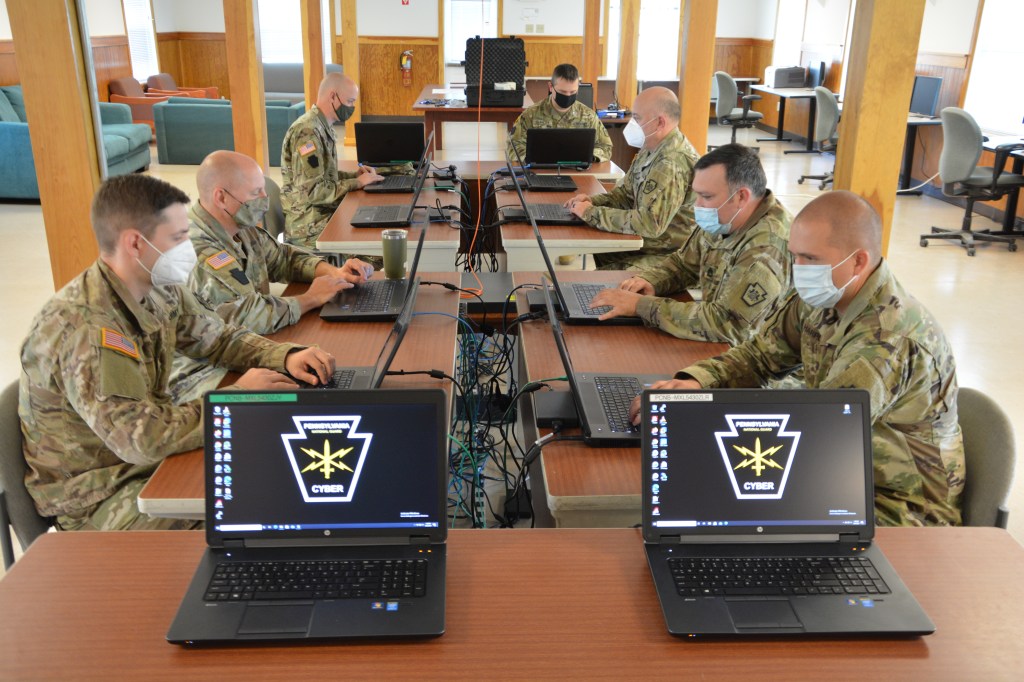
US must prepare for proliferation of cyber warfare
To build cyber resilience in this heightened threat environment, agencies must work closely with both international counterparts and industry to align on a proactive, global approach to all cyber threats –– not just state-sponsored attacks.
-

What the Cyber Workforce bill means for federal IT professionals
President Biden signed the Federal Rotational Cyber Workforce Program Act into law, offering agencies a practical solution to the cyber staffing crisis—if they act proactively.
-
Using the 5Cs of fraud prevention in government programs
By detecting anomalies in data using advanced technologies such as artificial intelligence and machine learning, agencies are able to identify nefarious activity and stop it before more costly and malicious activity occurs. Actionable information extracted from data can also enable agencies to detect and prevent fraud before it happens.
-
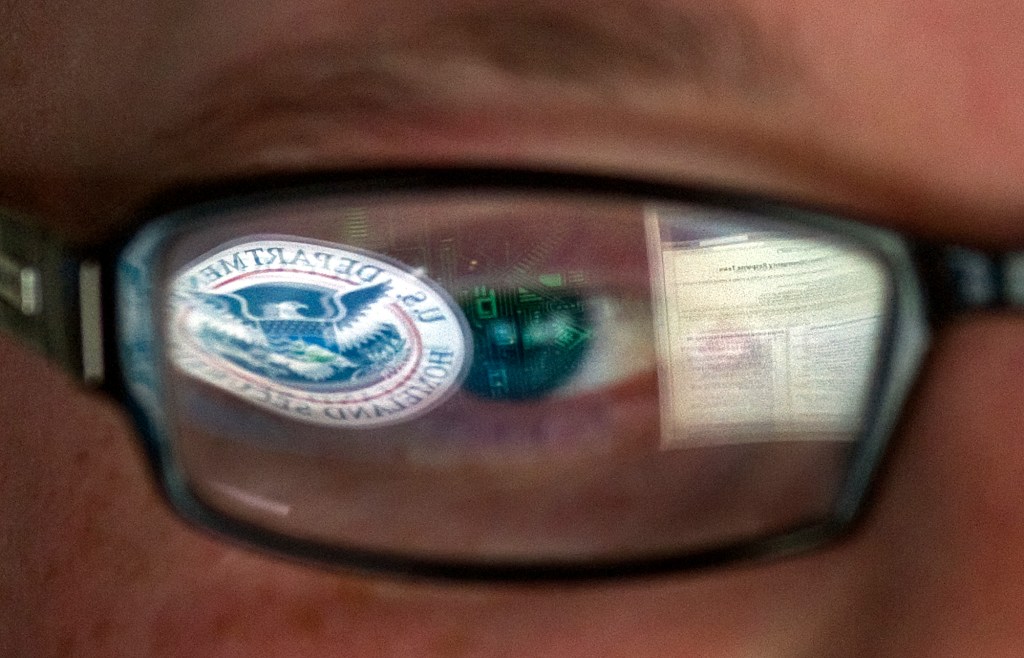
To maximize cybersecurity dollars, lean on Zero Trust
Getting quickly to a Zero Trust architecture is more important than ever. Implementing C2C is a means available now to continuously identify and control access for all endpoints connecting to the network, making a comprehensive Zero Trust architecture achievable.
-

Government analysis of facial recognition tech must extend beyond privacy
A key question for agencies and policymakers when it comes to verifying identities for tax and benefits services is…what technology alternatives exist to not only protect citizens but also combat the benefits and refund fraud that has exploded during the pandemic?
-

Closing the federal remote work gap
John Greenstein of Bluescape outlines the steps federal leaders can take to create a more equitable environment in the age of hybrid workplaces.