-

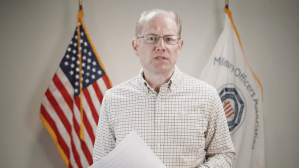
Small businesses securing US industry need more aid, not less
Letting SBIR expire would have existential consequences for the U.S. Department of Defense and the tech industry serving it.
-

Congress may tighten scrutiny of US investment in foreign technologies
Legislation seeks to counter threats by adding new controls to the flow of U.S. capital and intellectual property abroad.
-
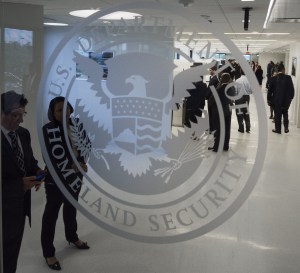
Federal government using artificial intelligence to fight cybercrime
Around 95 percent of cybersecurity issues can be traced to human error. A lack of cybersecurity experts in government is compounding the problem.
-
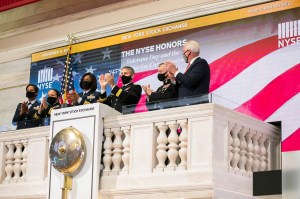
Congress should allow Pentagon to work with start-ups on needed innovation
The Pentagon and Silicon Valley need to team up. Ignoring the role of institutional venture capital in identifying, supporting, and scaling the most promising commercial technology firms is at best inefficient and at worst it is grossly irresponsible.
-

How can governments prepare for bioweapon attacks?
The tools needed to test, trace and treat both natural and intentional viral outbreaks are similar. But as future bio-attacks may be coordinated with financial, cyber or kinetic actions, the need for the military to sustain robust and dedicated capabilities to counter biothreats is paramount.
-

Lessons learned from the pandemic in modernizing public health systems
Agency leaders from Ventura County, California, and Winnebago, Illinois, spoke about how they transformed their technology infrastructure and processes to handle COVID-19 and how they plan to replicate and scale these changes to impact service delivery beyond pandemic-related needs.
-
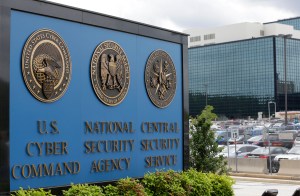
Mission Possible: Securing remote access for classified networks
The Federal government understands the significance of remote access on meeting mission objectives now and in the future. Agency leaders are looking to the private sector for technology that helps them maintain the highest security levels while meeting the ease-of-access demands of today’s worker – and can be implemented quickly.
-

Leaders must ensure that federal agencies are data-ready
Are agencies ready to support a workforce fully armed with data, or could they experience too much of a good thing?
-

Oracle faces huge challenge in salvaging Cerner contract with VA
Cerner has been struggling with the VA, which oversees the nation’s largest integrated healthcare system, on a massive data implementation contract. Oracle now owns the problem – literally- and more is at stake than transforming healthcare as the companies touted in a scripted presentation last month.
-
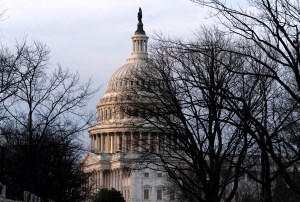
Federal contract workers deserve better pay, Congress can help
Today, the federal contract workers who are arguably struggling the most are those employed by companies operating under the Service Contract Act. These “blended federal workforce” employees typically consist of individuals from low-income communities – often women of color – performing work such as housekeeping.
-
Small businesses securing US industry need more aid, not less
Letting SBIR expire would have existential consequences for the U.S. Department of Defense and the tech industry serving it.
-
Congress may tighten scrutiny of US investment in foreign technologies
Legislation seeks to counter threats by adding new controls to the flow of U.S. capital and intellectual property abroad.
-
Federal government using artificial intelligence to fight cybercrime
Around 95 percent of cybersecurity issues can be traced to human error. A lack of cybersecurity experts in government is compounding the problem.
-
Congress should allow Pentagon to work with start-ups on needed innovation
The Pentagon and Silicon Valley need to team up. Ignoring the role of institutional venture capital in identifying, supporting, and scaling the most promising commercial technology firms is at best inefficient and at worst it is grossly irresponsible.
-
How can governments prepare for bioweapon attacks?
The tools needed to test, trace and treat both natural and intentional viral outbreaks are similar. But as future bio-attacks may be coordinated with financial, cyber or kinetic actions, the need for the military to sustain robust and dedicated capabilities to counter biothreats is paramount.
-
Lessons learned from the pandemic in modernizing public health systems
Agency leaders from Ventura County, California, and Winnebago, Illinois, spoke about how they transformed their technology infrastructure and processes to handle COVID-19 and how they plan to replicate and scale these changes to impact service delivery beyond pandemic-related needs.
-
Mission Possible: Securing remote access for classified networks
The Federal government understands the significance of remote access on meeting mission objectives now and in the future. Agency leaders are looking to the private sector for technology that helps them maintain the highest security levels while meeting the ease-of-access demands of today’s worker – and can be implemented quickly.
-
Leaders must ensure that federal agencies are data-ready
Are agencies ready to support a workforce fully armed with data, or could they experience too much of a good thing?
-
Oracle faces huge challenge in salvaging Cerner contract with VA
Cerner has been struggling with the VA, which oversees the nation’s largest integrated healthcare system, on a massive data implementation contract. Oracle now owns the problem – literally- and more is at stake than transforming healthcare as the companies touted in a scripted presentation last month.
-
Federal contract workers deserve better pay, Congress can help
Today, the federal contract workers who are arguably struggling the most are those employed by companies operating under the Service Contract Act. These “blended federal workforce” employees typically consist of individuals from low-income communities – often women of color – performing work such as housekeeping.
-

Small businesses securing US industry need more aid, not less
Letting SBIR expire would have existential consequences for the U.S. Department of Defense and the tech industry serving it.
-
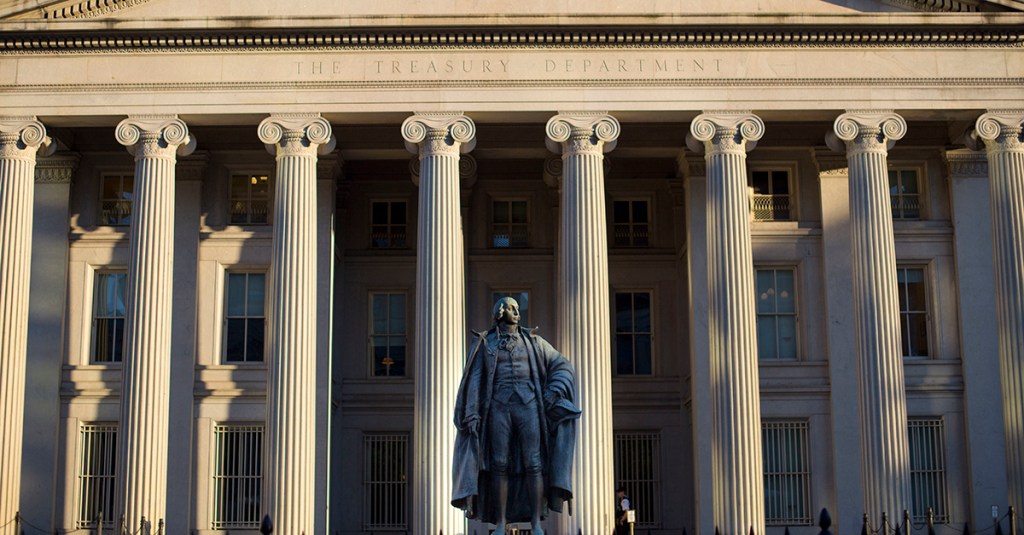
Congress may tighten scrutiny of US investment in foreign technologies
Legislation seeks to counter threats by adding new controls to the flow of U.S. capital and intellectual property abroad.
-
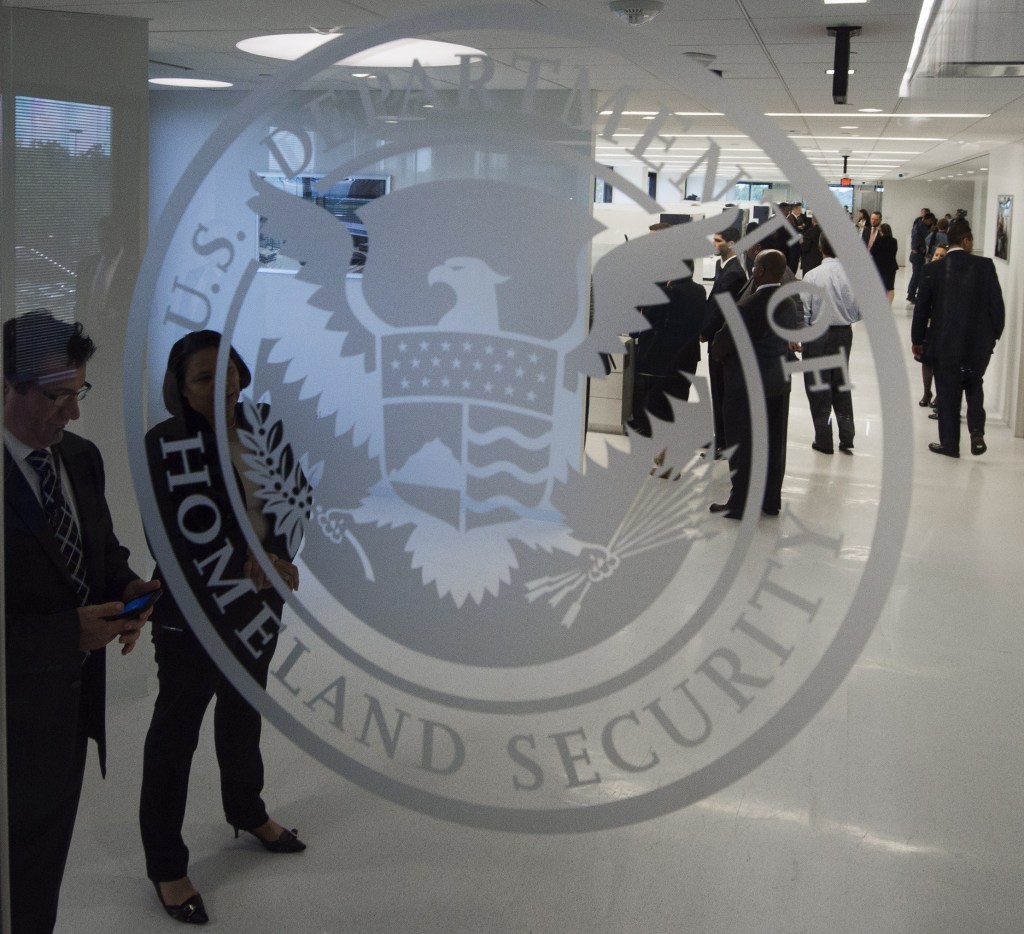
Federal government using artificial intelligence to fight cybercrime
Around 95 percent of cybersecurity issues can be traced to human error. A lack of cybersecurity experts in government is compounding the problem.
-
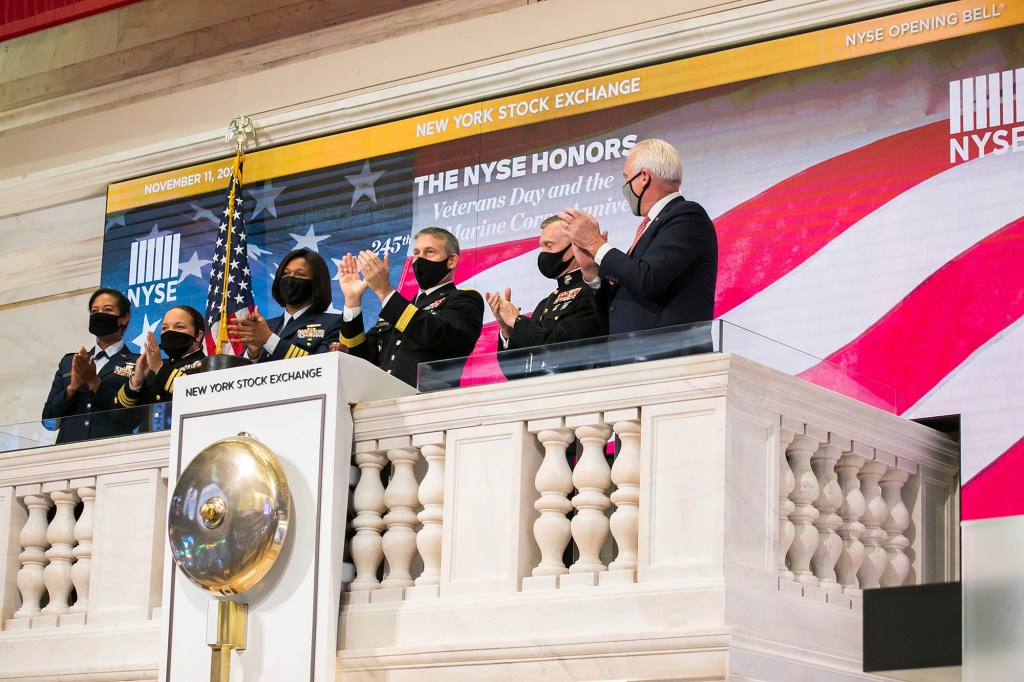
Congress should allow Pentagon to work with start-ups on needed innovation
The Pentagon and Silicon Valley need to team up. Ignoring the role of institutional venture capital in identifying, supporting, and scaling the most promising commercial technology firms is at best inefficient and at worst it is grossly irresponsible.
-

How can governments prepare for bioweapon attacks?
The tools needed to test, trace and treat both natural and intentional viral outbreaks are similar. But as future bio-attacks may be coordinated with financial, cyber or kinetic actions, the need for the military to sustain robust and dedicated capabilities to counter biothreats is paramount.
-

Lessons learned from the pandemic in modernizing public health systems
Agency leaders from Ventura County, California, and Winnebago, Illinois, spoke about how they transformed their technology infrastructure and processes to handle COVID-19 and how they plan to replicate and scale these changes to impact service delivery beyond pandemic-related needs.
-
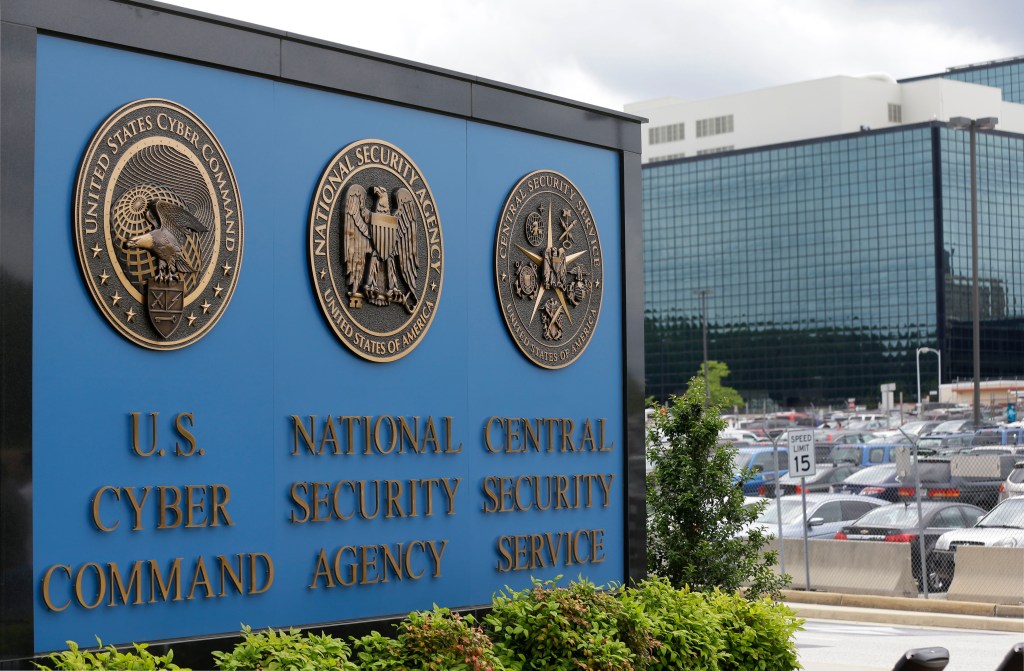
Mission Possible: Securing remote access for classified networks
The Federal government understands the significance of remote access on meeting mission objectives now and in the future. Agency leaders are looking to the private sector for technology that helps them maintain the highest security levels while meeting the ease-of-access demands of today’s worker – and can be implemented quickly.
-

Leaders must ensure that federal agencies are data-ready
Are agencies ready to support a workforce fully armed with data, or could they experience too much of a good thing?
-

Oracle faces huge challenge in salvaging Cerner contract with VA
Cerner has been struggling with the VA, which oversees the nation’s largest integrated healthcare system, on a massive data implementation contract. Oracle now owns the problem – literally- and more is at stake than transforming healthcare as the companies touted in a scripted presentation last month.
-
Federal contract workers deserve better pay, Congress can help
Today, the federal contract workers who are arguably struggling the most are those employed by companies operating under the Service Contract Act. These “blended federal workforce” employees typically consist of individuals from low-income communities – often women of color – performing work such as housekeeping.