-

Multiyear contracts could solve plenty of Pentagon problems
Predictable dollars beget stability and multiyear procurement contracts should be the vehicle for it.
-

How NASA launches – and delays – hurt US defense innovation
By outsourcing the rocket’s R&D activities across more than 20 states, SLS has garnered much political support from many members of Congress.
-

How to ensure the US and its allies have the weapons they need
Prioritization, not capacity, is the real issue facing allies as they continue to supply Ukraine but also to ensure NATO members have enough defense items.
-

How government can rebuild trust in open-source software
Open-source software, which benefits developers by allowing them to streamline management of common features and tasks, can be defended from cyberattacks.
-

‘Life Experience Frameworks’ can speed delivery of federal benefits
In terms of customer experience, the Life Experience Framework reduces time and hassle.
-

Artificial intelligence in government is about people, not programming
More than $2 billion has been allocated to the National Institute of Standards and Technology and the Department of Energy for AI research and development.
-

Lack of diversity is biggest talent gap facing federal cyber workforce
Agency leaders must focus on reskilling and upskilling a workforce that represents the comprehensive viewpoints required to combat threats to the U.S.
-

Mobile Apps can help improve readiness for servicewomen
Accessible health information is a particular issue for servicewomen because of the male-centric aim of most information.
-

What federal agencies should consider on path to becoming data-driven
With the renewed focus on digital transformation across agencies, data can and should be used to drive government innovation.
-

Washington must act to build capable federal cybersecurity workforce
As technology and adversary techniques advance, so do the technical skills required by the federal workforce at all levels
-
Multiyear contracts could solve plenty of Pentagon problems
Predictable dollars beget stability and multiyear procurement contracts should be the vehicle for it.
-
How NASA launches – and delays – hurt US defense innovation
By outsourcing the rocket’s R&D activities across more than 20 states, SLS has garnered much political support from many members of Congress.
-
How to ensure the US and its allies have the weapons they need
Prioritization, not capacity, is the real issue facing allies as they continue to supply Ukraine but also to ensure NATO members have enough defense items.
-
How government can rebuild trust in open-source software
Open-source software, which benefits developers by allowing them to streamline management of common features and tasks, can be defended from cyberattacks.
-
‘Life Experience Frameworks’ can speed delivery of federal benefits
In terms of customer experience, the Life Experience Framework reduces time and hassle.
-
Artificial intelligence in government is about people, not programming
More than $2 billion has been allocated to the National Institute of Standards and Technology and the Department of Energy for AI research and development.
-
Lack of diversity is biggest talent gap facing federal cyber workforce
Agency leaders must focus on reskilling and upskilling a workforce that represents the comprehensive viewpoints required to combat threats to the U.S.
-
Mobile Apps can help improve readiness for servicewomen
Accessible health information is a particular issue for servicewomen because of the male-centric aim of most information.
-
What federal agencies should consider on path to becoming data-driven
With the renewed focus on digital transformation across agencies, data can and should be used to drive government innovation.
-
Washington must act to build capable federal cybersecurity workforce
As technology and adversary techniques advance, so do the technical skills required by the federal workforce at all levels
-

Multiyear contracts could solve plenty of Pentagon problems
Predictable dollars beget stability and multiyear procurement contracts should be the vehicle for it.
-

How NASA launches – and delays – hurt US defense innovation
By outsourcing the rocket’s R&D activities across more than 20 states, SLS has garnered much political support from many members of Congress.
-

How to ensure the US and its allies have the weapons they need
Prioritization, not capacity, is the real issue facing allies as they continue to supply Ukraine but also to ensure NATO members have enough defense items.
-

How government can rebuild trust in open-source software
Open-source software, which benefits developers by allowing them to streamline management of common features and tasks, can be defended from cyberattacks.
-

‘Life Experience Frameworks’ can speed delivery of federal benefits
In terms of customer experience, the Life Experience Framework reduces time and hassle.
-

Artificial intelligence in government is about people, not programming
More than $2 billion has been allocated to the National Institute of Standards and Technology and the Department of Energy for AI research and development.
-

Lack of diversity is biggest talent gap facing federal cyber workforce
Agency leaders must focus on reskilling and upskilling a workforce that represents the comprehensive viewpoints required to combat threats to the U.S.
-
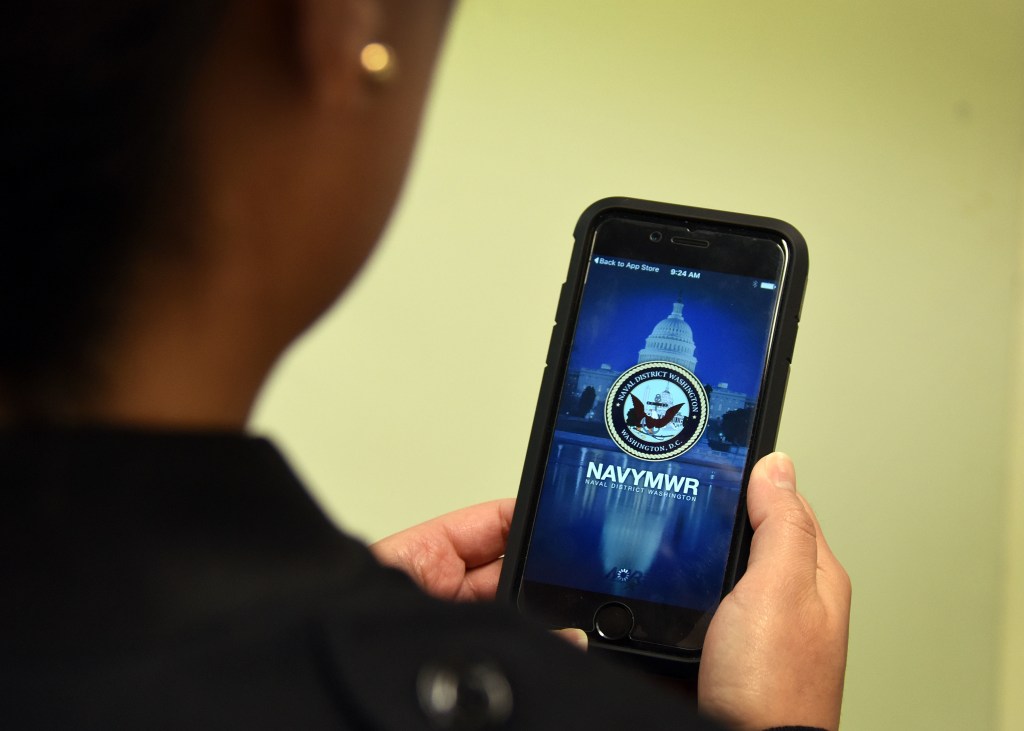
Mobile Apps can help improve readiness for servicewomen
Accessible health information is a particular issue for servicewomen because of the male-centric aim of most information.
-

What federal agencies should consider on path to becoming data-driven
With the renewed focus on digital transformation across agencies, data can and should be used to drive government innovation.
-

Washington must act to build capable federal cybersecurity workforce
As technology and adversary techniques advance, so do the technical skills required by the federal workforce at all levels