-

Washington must do more to support companies facing Russian hackers
Moscow has repeatedly demonstrated that its hackers — which include military and intelligence cyber units as well as “independent” proxies — have the capability to inflict untold damages on the infrastructure and companies the global economy depends upon.
-

Demilitarize civilian cyber defense, and you’ll gain deterrence
By constantly flexing the military’s cyber muscles to defend the homeland from inbound criminal cyber activity, the public demand for a broad federal response to illegal cyber activity is satisfied. Still, over time, the potential adversary will understand our military’s offensive cyber operations’ tactics, techniques and procedures.
-

Performance evaluation in a year of upheaval
Teleworking and minimal or sporadic in-person attendance have several implications for the performance evaluation cycle.
-

The United States parcel disservice
Mail services have become a secondary issue for the government enterprise based on its financial losses and poor operational performance.
-

Esper’s end-around on Trump harmed civil-military relations
Further politicization of appointments could lead to a Pentagon that games appointments in the fourth year of an administration or selects separate slates of general officers according to the anticipated preferences of the winning candidate.
-

The delusion of postal profits
The USPS has lost more than a billion dollars annually during the last 14 consecutive years, and in 2020, USPS was $9.2 billion in the red.
-

Threats abound as defense agencies make long-term move to hybrid work patterns
Hybrid work patterns for defense offices are likely to continue to grow in importance, making them targets for increasingly innovative and sophisticated threats.
-

US Reps. Moulton and Banks: The future of defense is in public-private partnerships
A whole-of-government approach that better partners with the private sector will lead to advancements that help our entire country and our economy.
-

Former Pentagon comptroller: Observations and opportunities for America’s defense budget
The time is right for a fresh start, one that involves continued aggressive and unafraid changes to how the Pentagon is resourced.
-

There should be no doubt about Michele Flournoy for defense secretary
The primary criterion for assessing any nomination for secretary of defense is whether the nominee has the experience, competence and steadfastness to oversee the most powerful military and the wide-ranging defense establishment that supports it.
-
Washington must do more to support companies facing Russian hackers
Moscow has repeatedly demonstrated that its hackers — which include military and intelligence cyber units as well as “independent” proxies — have the capability to inflict untold damages on the infrastructure and companies the global economy depends upon.
-
Demilitarize civilian cyber defense, and you’ll gain deterrence
By constantly flexing the military’s cyber muscles to defend the homeland from inbound criminal cyber activity, the public demand for a broad federal response to illegal cyber activity is satisfied. Still, over time, the potential adversary will understand our military’s offensive cyber operations’ tactics, techniques and procedures.
-
Performance evaluation in a year of upheaval
Teleworking and minimal or sporadic in-person attendance have several implications for the performance evaluation cycle.
-
The United States parcel disservice
Mail services have become a secondary issue for the government enterprise based on its financial losses and poor operational performance.
-
Esper’s end-around on Trump harmed civil-military relations
Further politicization of appointments could lead to a Pentagon that games appointments in the fourth year of an administration or selects separate slates of general officers according to the anticipated preferences of the winning candidate.
-
The delusion of postal profits
The USPS has lost more than a billion dollars annually during the last 14 consecutive years, and in 2020, USPS was $9.2 billion in the red.
-
Threats abound as defense agencies make long-term move to hybrid work patterns
Hybrid work patterns for defense offices are likely to continue to grow in importance, making them targets for increasingly innovative and sophisticated threats.
-
US Reps. Moulton and Banks: The future of defense is in public-private partnerships
A whole-of-government approach that better partners with the private sector will lead to advancements that help our entire country and our economy.
-
Former Pentagon comptroller: Observations and opportunities for America’s defense budget
The time is right for a fresh start, one that involves continued aggressive and unafraid changes to how the Pentagon is resourced.
-
There should be no doubt about Michele Flournoy for defense secretary
The primary criterion for assessing any nomination for secretary of defense is whether the nominee has the experience, competence and steadfastness to oversee the most powerful military and the wide-ranging defense establishment that supports it.
-

Washington must do more to support companies facing Russian hackers
Moscow has repeatedly demonstrated that its hackers — which include military and intelligence cyber units as well as “independent” proxies — have the capability to inflict untold damages on the infrastructure and companies the global economy depends upon.
-

Demilitarize civilian cyber defense, and you’ll gain deterrence
By constantly flexing the military’s cyber muscles to defend the homeland from inbound criminal cyber activity, the public demand for a broad federal response to illegal cyber activity is satisfied. Still, over time, the potential adversary will understand our military’s offensive cyber operations’ tactics, techniques and procedures.
-

Performance evaluation in a year of upheaval
Teleworking and minimal or sporadic in-person attendance have several implications for the performance evaluation cycle.
-

The United States parcel disservice
Mail services have become a secondary issue for the government enterprise based on its financial losses and poor operational performance.
-

Esper’s end-around on Trump harmed civil-military relations
Further politicization of appointments could lead to a Pentagon that games appointments in the fourth year of an administration or selects separate slates of general officers according to the anticipated preferences of the winning candidate.
-

The delusion of postal profits
The USPS has lost more than a billion dollars annually during the last 14 consecutive years, and in 2020, USPS was $9.2 billion in the red.
-

Threats abound as defense agencies make long-term move to hybrid work patterns
Hybrid work patterns for defense offices are likely to continue to grow in importance, making them targets for increasingly innovative and sophisticated threats.
-

US Reps. Moulton and Banks: The future of defense is in public-private partnerships
A whole-of-government approach that better partners with the private sector will lead to advancements that help our entire country and our economy.
-

Former Pentagon comptroller: Observations and opportunities for America’s defense budget
The time is right for a fresh start, one that involves continued aggressive and unafraid changes to how the Pentagon is resourced.
-
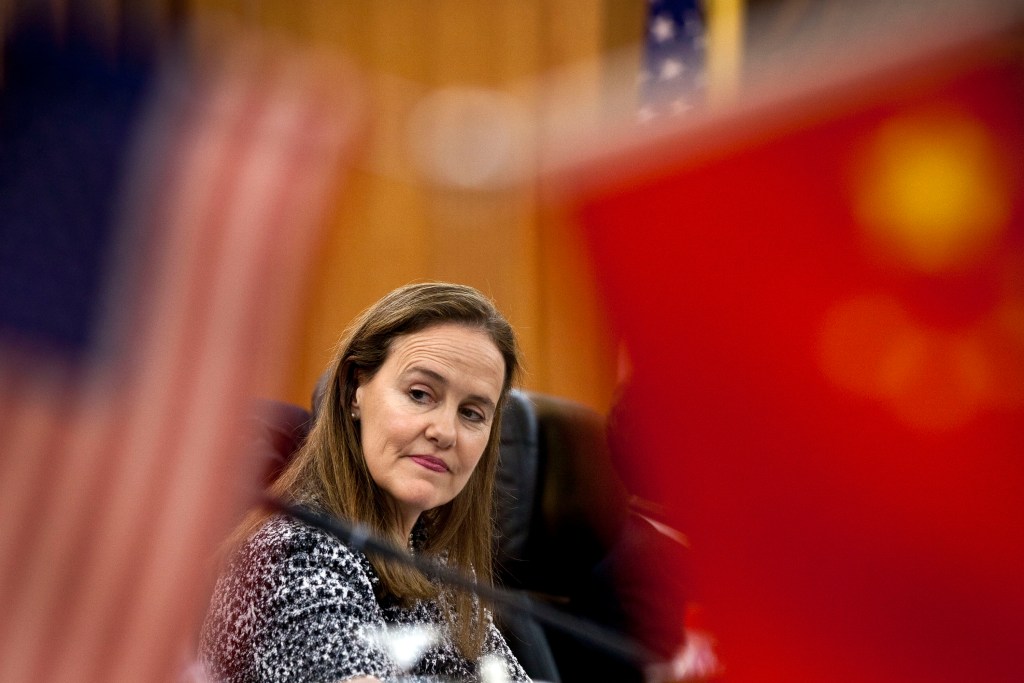
There should be no doubt about Michele Flournoy for defense secretary
The primary criterion for assessing any nomination for secretary of defense is whether the nominee has the experience, competence and steadfastness to oversee the most powerful military and the wide-ranging defense establishment that supports it.