-

Voice communication resiliency is critical for federal agency success
For some, voice is considered a legacy technology, but that couldn’t be further from the truth.
-

How federal agencies can integrate Generative AI and automation
The EO outlines areas where agencies should focus to ensure AI safety and security through testing standards, partnerships and privacy technologies.
-

Biden’s AI executive order: Getting started with your CAIO
Under the guidance of the CAIO, agencies will be able to understand when and where AI services can safely be deployed
-

The case for and against AI watermarking
As framed by the White House, the purpose of the watermark is to help people identify AI-generated objects.
-

Pentagon’s industrial strategy describes the problem, not the solution
The new strategy contains useful words about the problem. Those words must be quickly put into measurable and funded actions.
-

Curbing reliance on foreign critical minerals starts with mining in US
The China Commerce Ministry recently imposed export controls on gallium and germanium, minerals essential for computer chips and solar panels.
-

Why federal tech leadership must advance digital accessibility in 2024
Nearly half of the most frequently visited pages on federal websites pose significant accessibility barriers to individuals with disabilities.
-
Generative AI, automation to boost delivery of public services
The tech will enable agencies to meet need for quick and efficient public services, such as federal aid programs, unemployment benefits and tax filings.
-

Human-centered design is key to a better federal customer experience
To enhance the actual experience of constituents and effect meaningful change, it’s essential to understand the federal customer’s journey and pain points.
-

How to prepare for increased oversight of cybersecurity
Cyber risk management at federal agencies driven from the top is becoming more pressing as the U.S. enters an era of near-peer competition with Chin
-
Voice communication resiliency is critical for federal agency success
For some, voice is considered a legacy technology, but that couldn’t be further from the truth.
-
How federal agencies can integrate Generative AI and automation
The EO outlines areas where agencies should focus to ensure AI safety and security through testing standards, partnerships and privacy technologies.
-
Biden’s AI executive order: Getting started with your CAIO
Under the guidance of the CAIO, agencies will be able to understand when and where AI services can safely be deployed
-
The case for and against AI watermarking
As framed by the White House, the purpose of the watermark is to help people identify AI-generated objects.
-
Pentagon’s industrial strategy describes the problem, not the solution
The new strategy contains useful words about the problem. Those words must be quickly put into measurable and funded actions.
-
Curbing reliance on foreign critical minerals starts with mining in US
The China Commerce Ministry recently imposed export controls on gallium and germanium, minerals essential for computer chips and solar panels.
-
Why federal tech leadership must advance digital accessibility in 2024
Nearly half of the most frequently visited pages on federal websites pose significant accessibility barriers to individuals with disabilities.
-
Generative AI, automation to boost delivery of public services
The tech will enable agencies to meet need for quick and efficient public services, such as federal aid programs, unemployment benefits and tax filings.
-
Human-centered design is key to a better federal customer experience
To enhance the actual experience of constituents and effect meaningful change, it’s essential to understand the federal customer’s journey and pain points.
-
How to prepare for increased oversight of cybersecurity
Cyber risk management at federal agencies driven from the top is becoming more pressing as the U.S. enters an era of near-peer competition with Chin
-

Voice communication resiliency is critical for federal agency success
For some, voice is considered a legacy technology, but that couldn’t be further from the truth.
-
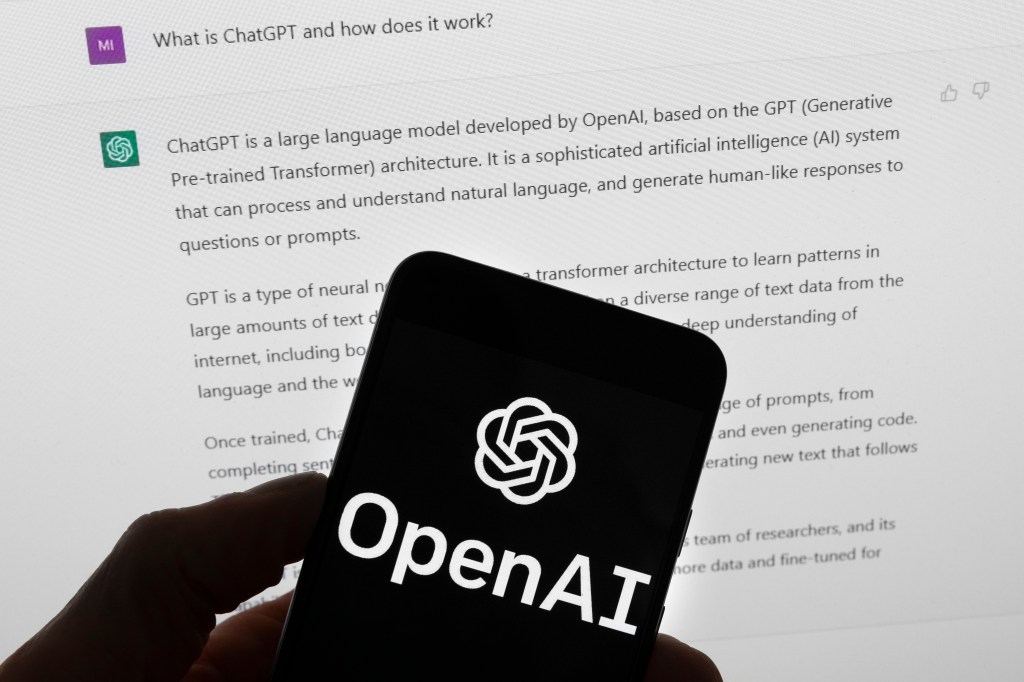
How federal agencies can integrate Generative AI and automation
The EO outlines areas where agencies should focus to ensure AI safety and security through testing standards, partnerships and privacy technologies.
-

Biden’s AI executive order: Getting started with your CAIO
Under the guidance of the CAIO, agencies will be able to understand when and where AI services can safely be deployed
-

The case for and against AI watermarking
As framed by the White House, the purpose of the watermark is to help people identify AI-generated objects.
-

Pentagon’s industrial strategy describes the problem, not the solution
The new strategy contains useful words about the problem. Those words must be quickly put into measurable and funded actions.
-

Curbing reliance on foreign critical minerals starts with mining in US
The China Commerce Ministry recently imposed export controls on gallium and germanium, minerals essential for computer chips and solar panels.
-

Why federal tech leadership must advance digital accessibility in 2024
Nearly half of the most frequently visited pages on federal websites pose significant accessibility barriers to individuals with disabilities.
-
Generative AI, automation to boost delivery of public services
The tech will enable agencies to meet need for quick and efficient public services, such as federal aid programs, unemployment benefits and tax filings.
-

Human-centered design is key to a better federal customer experience
To enhance the actual experience of constituents and effect meaningful change, it’s essential to understand the federal customer’s journey and pain points.
-

How to prepare for increased oversight of cybersecurity
Cyber risk management at federal agencies driven from the top is becoming more pressing as the U.S. enters an era of near-peer competition with Chin