-

Common pitfalls, vulnerabilities of software bills of materials
An SBOM provides an overview about all components that constitute a given software product.
-
How to evaluate AI use cases after Biden’s executive order
The potential benefits of leveraging an extensive repository or more than 700 AI use cases should not be overlooked, the author says.
-

Responsible AI requires a new kind of literacy. Government can help.
We need to have a basic understanding about AI, and the government has a role to play in that public education goal.
-

Beyond Biden’s executive order: An AI roadmap for federal agencies
In today’s hyperconnected, hybrid world, an “assume breach” mindset, a core tenant of the zero trust framework, is essential.
-

How the CDAO’s GIDE series is bringing benefits of AI to the Pentagon
The Global Information Dominance Experiment series is the first to focus on cross-COCOM data integration, analytics and AI.
-

Trusted data is the power behind the DOD CDAO’s AI adoption strategy
An open data lakehouse for trusted AI can increase flexibility to expand technology and analytics, while making the data more accessible.
-

The US and Europe must recalibrate their security partnership
Europeans can help blunt the argument in Washington that U.S. resources are too stretched to focus on Europe and the Indo-Pacific at the same time.
-

Del Toro’s case for funding the US Navy and Marine Corps
As perilous as the state of affairs may seem, things might soon get dramatically and demonstrably worse with sequestration, the Navy secretary argues.
-

The two keys to making the Pentagon’s synthetic voice goals a reality
Synthetic voice has the potential to revolutionize every aspect of a soldier’s job.
-

EU framework heralds dawn of AI diplomacy with US, China
China is ahead of both Europe and the U.S. with a set of AI regulations implemented this past August – though its laws aren’t as comprehensive as the EU’s.
-
Common pitfalls, vulnerabilities of software bills of materials
An SBOM provides an overview about all components that constitute a given software product.
-
How to evaluate AI use cases after Biden’s executive order
The potential benefits of leveraging an extensive repository or more than 700 AI use cases should not be overlooked, the author says.
-
Responsible AI requires a new kind of literacy. Government can help.
We need to have a basic understanding about AI, and the government has a role to play in that public education goal.
-
Beyond Biden’s executive order: An AI roadmap for federal agencies
In today’s hyperconnected, hybrid world, an “assume breach” mindset, a core tenant of the zero trust framework, is essential.
-
How the CDAO’s GIDE series is bringing benefits of AI to the Pentagon
The Global Information Dominance Experiment series is the first to focus on cross-COCOM data integration, analytics and AI.
-
Trusted data is the power behind the DOD CDAO’s AI adoption strategy
An open data lakehouse for trusted AI can increase flexibility to expand technology and analytics, while making the data more accessible.
-
The US and Europe must recalibrate their security partnership
Europeans can help blunt the argument in Washington that U.S. resources are too stretched to focus on Europe and the Indo-Pacific at the same time.
-
Del Toro’s case for funding the US Navy and Marine Corps
As perilous as the state of affairs may seem, things might soon get dramatically and demonstrably worse with sequestration, the Navy secretary argues.
-
The two keys to making the Pentagon’s synthetic voice goals a reality
Synthetic voice has the potential to revolutionize every aspect of a soldier’s job.
-
EU framework heralds dawn of AI diplomacy with US, China
China is ahead of both Europe and the U.S. with a set of AI regulations implemented this past August – though its laws aren’t as comprehensive as the EU’s.
-
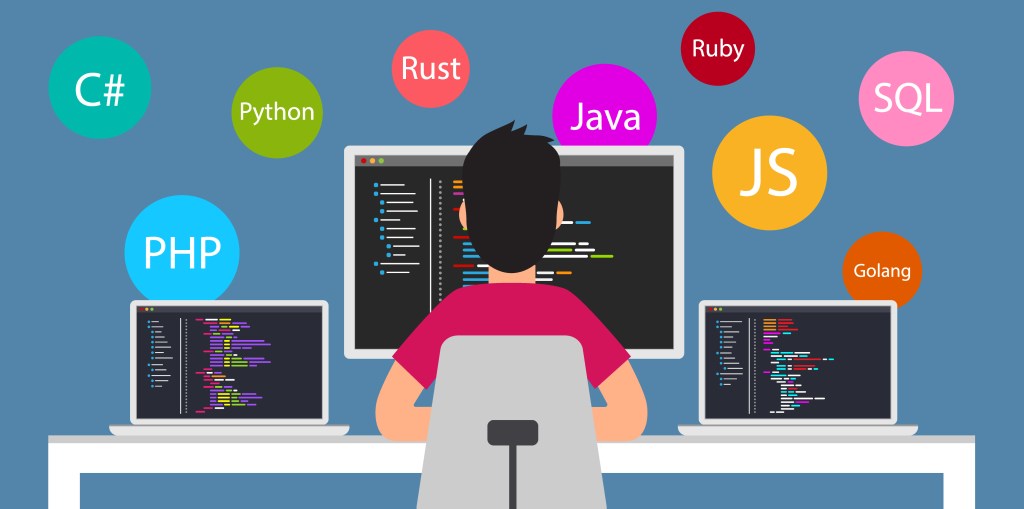
Common pitfalls, vulnerabilities of software bills of materials
An SBOM provides an overview about all components that constitute a given software product.
-
How to evaluate AI use cases after Biden’s executive order
The potential benefits of leveraging an extensive repository or more than 700 AI use cases should not be overlooked, the author says.
-

Responsible AI requires a new kind of literacy. Government can help.
We need to have a basic understanding about AI, and the government has a role to play in that public education goal.
-

Beyond Biden’s executive order: An AI roadmap for federal agencies
In today’s hyperconnected, hybrid world, an “assume breach” mindset, a core tenant of the zero trust framework, is essential.
-

How the CDAO’s GIDE series is bringing benefits of AI to the Pentagon
The Global Information Dominance Experiment series is the first to focus on cross-COCOM data integration, analytics and AI.
-

Trusted data is the power behind the DOD CDAO’s AI adoption strategy
An open data lakehouse for trusted AI can increase flexibility to expand technology and analytics, while making the data more accessible.
-

The US and Europe must recalibrate their security partnership
Europeans can help blunt the argument in Washington that U.S. resources are too stretched to focus on Europe and the Indo-Pacific at the same time.
-

Del Toro’s case for funding the US Navy and Marine Corps
As perilous as the state of affairs may seem, things might soon get dramatically and demonstrably worse with sequestration, the Navy secretary argues.
-

The two keys to making the Pentagon’s synthetic voice goals a reality
Synthetic voice has the potential to revolutionize every aspect of a soldier’s job.
-

EU framework heralds dawn of AI diplomacy with US, China
China is ahead of both Europe and the U.S. with a set of AI regulations implemented this past August – though its laws aren’t as comprehensive as the EU’s.