-

How government contractors can harness artificial intelligence
For example, companies that follow the Jobs to Be Done (JTBD) framework in engaging clients can leverage AI to better understand client preferences.
-

Innovation as a force muliplier for national security
Bipartisan legislation, like the research and development tax credit which recently passed the House and is headed for the Senate, is essential.
-

How to maximize impact in the next phase of zero trust
Federal agencies face a September deadline to implement the cybersecurity architecture.
-

Adopt a treaty for semiconductor export control
The absence of a robust global semiconductor export control regime leaves the United States vulnerable in the technological race.
-

What’s holding back the whole-of-government health resilience plan?
The Federal Plan for Equitable Long-Term Recovery and Resilience helps communities engage in self-driven discussions of needs and solutions.
-

Bridging the trust gap: Using AI to restore faith in democracy
The federal government will spend $74 billion next year on IT.
-

Implementing the industrial base strategy won’t be easy
This is a national crisis that will take an all hands on deck effort to resolve. But it’s not clear the sense of urgency is strong enough.
-

China may add ‘superabrasives’ to list of restricted defense materials
Diamonds and other ‘superabsrasive’ materials possess superior hardness and abrasion resistance essential for high-tech manufacturing.
-

How federal IT pros can reap benefits of data observability
Observability preemptively detects anomalies and potential issues – before they become full blown outages or security issues.
-

Rebuild US brain trust to curb reliance on foreign critical minerals
China’s Commerce Ministry recently imposed export controls on gallium and germanium, minerals essential for computer chips and solar panels.
-
How government contractors can harness artificial intelligence
For example, companies that follow the Jobs to Be Done (JTBD) framework in engaging clients can leverage AI to better understand client preferences.
-
Innovation as a force muliplier for national security
Bipartisan legislation, like the research and development tax credit which recently passed the House and is headed for the Senate, is essential.
-
How to maximize impact in the next phase of zero trust
Federal agencies face a September deadline to implement the cybersecurity architecture.
-
Adopt a treaty for semiconductor export control
The absence of a robust global semiconductor export control regime leaves the United States vulnerable in the technological race.
-
What’s holding back the whole-of-government health resilience plan?
The Federal Plan for Equitable Long-Term Recovery and Resilience helps communities engage in self-driven discussions of needs and solutions.
-
Bridging the trust gap: Using AI to restore faith in democracy
The federal government will spend $74 billion next year on IT.
-
Implementing the industrial base strategy won’t be easy
This is a national crisis that will take an all hands on deck effort to resolve. But it’s not clear the sense of urgency is strong enough.
-
China may add ‘superabrasives’ to list of restricted defense materials
Diamonds and other ‘superabsrasive’ materials possess superior hardness and abrasion resistance essential for high-tech manufacturing.
-
How federal IT pros can reap benefits of data observability
Observability preemptively detects anomalies and potential issues – before they become full blown outages or security issues.
-
Rebuild US brain trust to curb reliance on foreign critical minerals
China’s Commerce Ministry recently imposed export controls on gallium and germanium, minerals essential for computer chips and solar panels.
-

How government contractors can harness artificial intelligence
For example, companies that follow the Jobs to Be Done (JTBD) framework in engaging clients can leverage AI to better understand client preferences.
-

Innovation as a force muliplier for national security
Bipartisan legislation, like the research and development tax credit which recently passed the House and is headed for the Senate, is essential.
-

How to maximize impact in the next phase of zero trust
Federal agencies face a September deadline to implement the cybersecurity architecture.
-
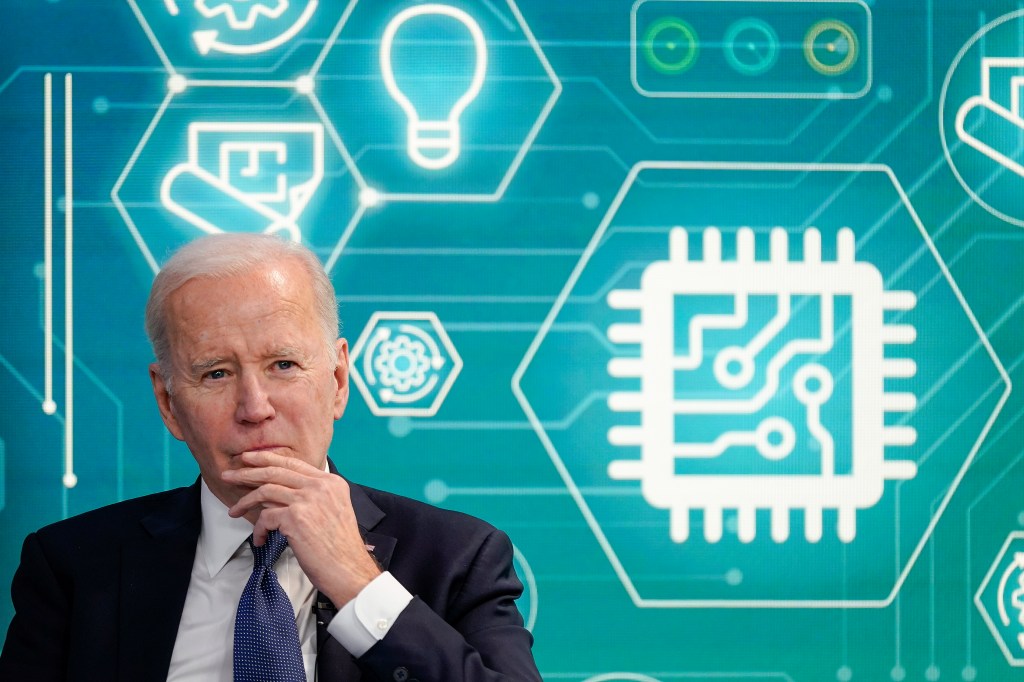
Adopt a treaty for semiconductor export control
The absence of a robust global semiconductor export control regime leaves the United States vulnerable in the technological race.
-

What’s holding back the whole-of-government health resilience plan?
The Federal Plan for Equitable Long-Term Recovery and Resilience helps communities engage in self-driven discussions of needs and solutions.
-

Bridging the trust gap: Using AI to restore faith in democracy
The federal government will spend $74 billion next year on IT.
-

Implementing the industrial base strategy won’t be easy
This is a national crisis that will take an all hands on deck effort to resolve. But it’s not clear the sense of urgency is strong enough.
-

China may add ‘superabrasives’ to list of restricted defense materials
Diamonds and other ‘superabsrasive’ materials possess superior hardness and abrasion resistance essential for high-tech manufacturing.
-

How federal IT pros can reap benefits of data observability
Observability preemptively detects anomalies and potential issues – before they become full blown outages or security issues.
-

Rebuild US brain trust to curb reliance on foreign critical minerals
China’s Commerce Ministry recently imposed export controls on gallium and germanium, minerals essential for computer chips and solar panels.