-

Artificial intelligence in government is about people, not programming
More than $2 billion has been allocated to the National Institute of Standards and Technology and the Department of Energy for AI research and development.
-

Lack of diversity is biggest talent gap facing federal cyber workforce
Agency leaders must focus on reskilling and upskilling a workforce that represents the comprehensive viewpoints required to combat threats to the U.S.
-
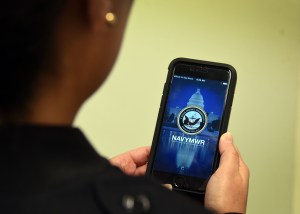
Mobile Apps can help improve readiness for servicewomen
Accessible health information is a particular issue for servicewomen because of the male-centric aim of most information.
-

What federal agencies should consider on path to becoming data-driven
With the renewed focus on digital transformation across agencies, data can and should be used to drive government innovation.
-
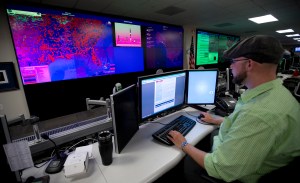
Washington must act to build capable federal cybersecurity workforce
As technology and adversary techniques advance, so do the technical skills required by the federal workforce at all levels
-
Five ways healthcare navigation can lift employee engagement, outcomes
Employee benefits programs have also become an essential tool in talent recruitment and retention efforts.
-

Five best practices for risk-based patch management in government
RBPM can focus active cyber mitigation efforts on the highest priority threats.
-

Small businesses securing US industry need more aid, not less
Letting SBIR expire would have existential consequences for the U.S. Department of Defense and the tech industry serving it.
-

Federal government using artificial intelligence to fight cybercrime
Around 95 percent of cybersecurity issues can be traced to human error. A lack of cybersecurity experts in government is compounding the problem.
-

Lessons learned from the pandemic in modernizing public health systems
Agency leaders from Ventura County, California, and Winnebago, Illinois, spoke about how they transformed their technology infrastructure and processes to handle COVID-19 and how they plan to replicate and scale these changes to impact service delivery beyond pandemic-related needs.
-
Artificial intelligence in government is about people, not programming
More than $2 billion has been allocated to the National Institute of Standards and Technology and the Department of Energy for AI research and development.
-
Lack of diversity is biggest talent gap facing federal cyber workforce
Agency leaders must focus on reskilling and upskilling a workforce that represents the comprehensive viewpoints required to combat threats to the U.S.
-
Mobile Apps can help improve readiness for servicewomen
Accessible health information is a particular issue for servicewomen because of the male-centric aim of most information.
-
What federal agencies should consider on path to becoming data-driven
With the renewed focus on digital transformation across agencies, data can and should be used to drive government innovation.
-
Washington must act to build capable federal cybersecurity workforce
As technology and adversary techniques advance, so do the technical skills required by the federal workforce at all levels
-
Five ways healthcare navigation can lift employee engagement, outcomes
Employee benefits programs have also become an essential tool in talent recruitment and retention efforts.
-
Five best practices for risk-based patch management in government
RBPM can focus active cyber mitigation efforts on the highest priority threats.
-
Small businesses securing US industry need more aid, not less
Letting SBIR expire would have existential consequences for the U.S. Department of Defense and the tech industry serving it.
-
Federal government using artificial intelligence to fight cybercrime
Around 95 percent of cybersecurity issues can be traced to human error. A lack of cybersecurity experts in government is compounding the problem.
-
Lessons learned from the pandemic in modernizing public health systems
Agency leaders from Ventura County, California, and Winnebago, Illinois, spoke about how they transformed their technology infrastructure and processes to handle COVID-19 and how they plan to replicate and scale these changes to impact service delivery beyond pandemic-related needs.
-

Artificial intelligence in government is about people, not programming
More than $2 billion has been allocated to the National Institute of Standards and Technology and the Department of Energy for AI research and development.
-

Lack of diversity is biggest talent gap facing federal cyber workforce
Agency leaders must focus on reskilling and upskilling a workforce that represents the comprehensive viewpoints required to combat threats to the U.S.
-
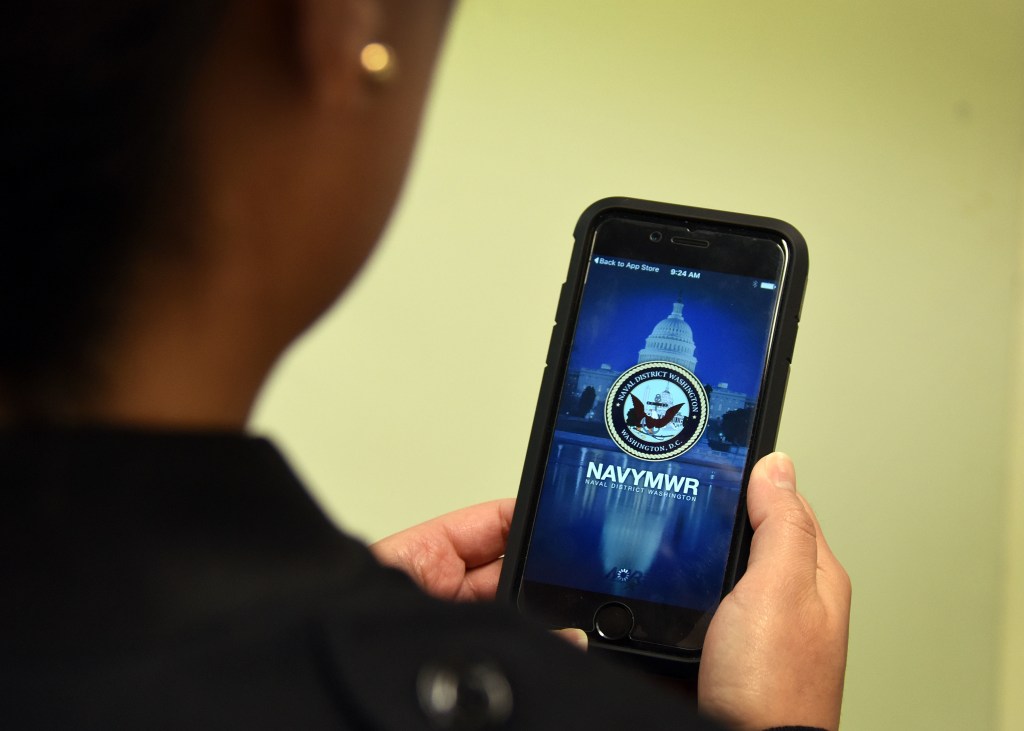
Mobile Apps can help improve readiness for servicewomen
Accessible health information is a particular issue for servicewomen because of the male-centric aim of most information.
-

What federal agencies should consider on path to becoming data-driven
With the renewed focus on digital transformation across agencies, data can and should be used to drive government innovation.
-
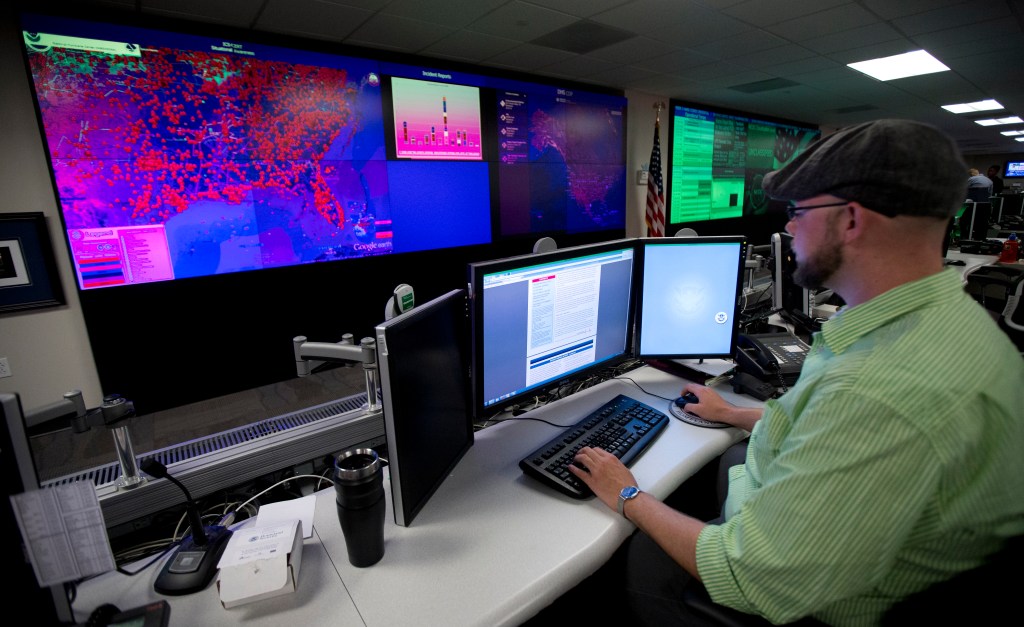
Washington must act to build capable federal cybersecurity workforce
As technology and adversary techniques advance, so do the technical skills required by the federal workforce at all levels
-
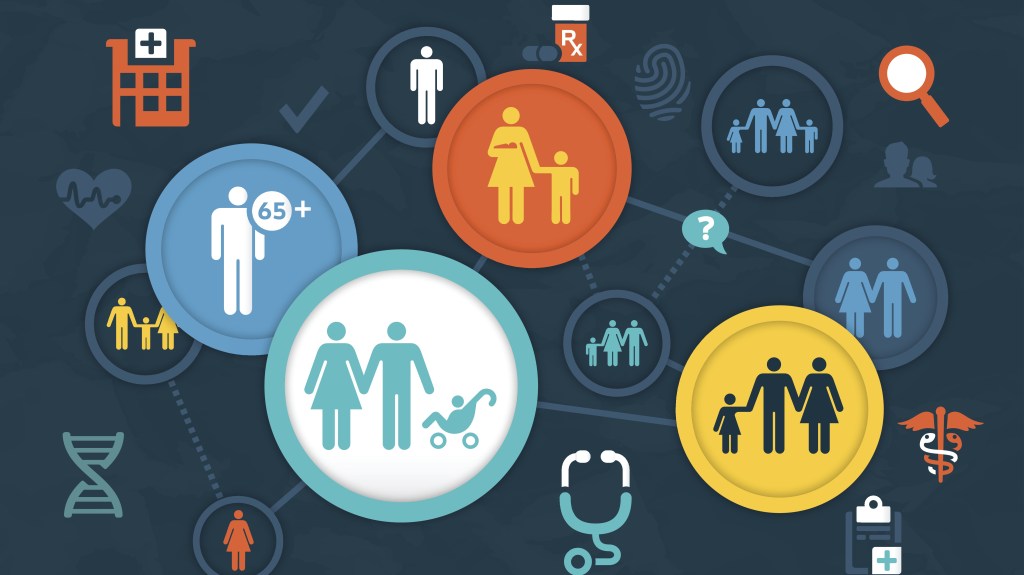
Five ways healthcare navigation can lift employee engagement, outcomes
Employee benefits programs have also become an essential tool in talent recruitment and retention efforts.
-

Five best practices for risk-based patch management in government
RBPM can focus active cyber mitigation efforts on the highest priority threats.
-

Small businesses securing US industry need more aid, not less
Letting SBIR expire would have existential consequences for the U.S. Department of Defense and the tech industry serving it.
-

Federal government using artificial intelligence to fight cybercrime
Around 95 percent of cybersecurity issues can be traced to human error. A lack of cybersecurity experts in government is compounding the problem.
-

Lessons learned from the pandemic in modernizing public health systems
Agency leaders from Ventura County, California, and Winnebago, Illinois, spoke about how they transformed their technology infrastructure and processes to handle COVID-19 and how they plan to replicate and scale these changes to impact service delivery beyond pandemic-related needs.