-

Federal supply-chain threats quietly growing
There’s a lot of emphasis on cyber threats, but the government is increasingly vulnerable to gaps in supply-chain security.
-

In contemporary warfare, cyber trumps nukes
While President Trump obsesses about politics, the U.S. is exposed to great danger.
-

Critical security measures government agencies are overlooking
Creating a comprehensive shield against cyberattacks is a process that never really ends, and many areas tend to fall through the cracks.
-

What the DoD can learn from the DHS CDM program
The ability to make determinations in real time — and to automate action based on what’s discovered at the federal level — is a game-changer.
-

With hacking of US utilities, Russia could move from cyberespionage toward cyberwar
Even before the revelation on July 23 that Russian government hackers had penetrated the computer systems of U.S. electric utilities and could have caused blackouts, government agencies and electricity industry leaders were working to protect U.S. customers and society as a whole.
-

How a zero trust model can help agencies evolve against digital threats
Government agencies are realizing traditional perimeter security must become a thing of the past.
-

Congress can simplify commercial buying and increase government innovation
The U.S. government’s transactions in the commercial marketplace, which should be quick and easy, have gotten more complicated over the years.
-

When delivering citizen services, consistency is key
Conflicting messages remain a major impediment for citizens looking to obtain the right information about government services.
-

The technology modernization fund: A primer for the perplexed
One of the most impactful days in federal IT during the past 12 months has to be Dec. 12, 2017 — the day President Trump signed the Modernizing Government Technology (MGT) Act into law. Here’s what you need to know
-

How agencies can make ‘do more with less’ a reality
Agency leaders can catalyze productivity by setting standards for prioritization and necessary adaptation.
-
Federal supply-chain threats quietly growing
There’s a lot of emphasis on cyber threats, but the government is increasingly vulnerable to gaps in supply-chain security.
-
In contemporary warfare, cyber trumps nukes
While President Trump obsesses about politics, the U.S. is exposed to great danger.
-
Critical security measures government agencies are overlooking
Creating a comprehensive shield against cyberattacks is a process that never really ends, and many areas tend to fall through the cracks.
-
What the DoD can learn from the DHS CDM program
The ability to make determinations in real time — and to automate action based on what’s discovered at the federal level — is a game-changer.
-
With hacking of US utilities, Russia could move from cyberespionage toward cyberwar
Even before the revelation on July 23 that Russian government hackers had penetrated the computer systems of U.S. electric utilities and could have caused blackouts, government agencies and electricity industry leaders were working to protect U.S. customers and society as a whole.
-
How a zero trust model can help agencies evolve against digital threats
Government agencies are realizing traditional perimeter security must become a thing of the past.
-
Congress can simplify commercial buying and increase government innovation
The U.S. government’s transactions in the commercial marketplace, which should be quick and easy, have gotten more complicated over the years.
-
When delivering citizen services, consistency is key
Conflicting messages remain a major impediment for citizens looking to obtain the right information about government services.
-
The technology modernization fund: A primer for the perplexed
One of the most impactful days in federal IT during the past 12 months has to be Dec. 12, 2017 — the day President Trump signed the Modernizing Government Technology (MGT) Act into law. Here’s what you need to know
-
How agencies can make ‘do more with less’ a reality
Agency leaders can catalyze productivity by setting standards for prioritization and necessary adaptation.
-

Federal supply-chain threats quietly growing
There’s a lot of emphasis on cyber threats, but the government is increasingly vulnerable to gaps in supply-chain security.
-

In contemporary warfare, cyber trumps nukes
While President Trump obsesses about politics, the U.S. is exposed to great danger.
-
Critical security measures government agencies are overlooking
Creating a comprehensive shield against cyberattacks is a process that never really ends, and many areas tend to fall through the cracks.
-
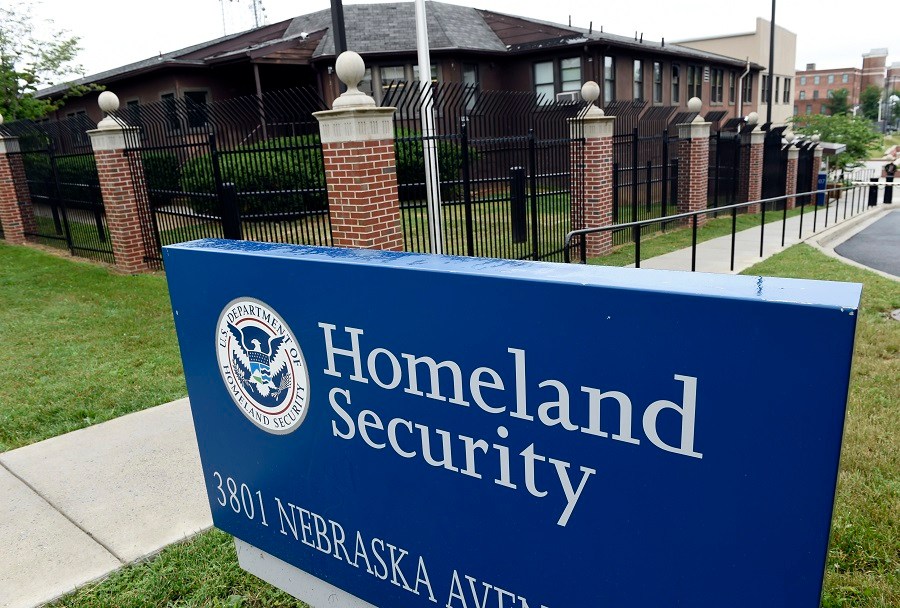
What the DoD can learn from the DHS CDM program
The ability to make determinations in real time — and to automate action based on what’s discovered at the federal level — is a game-changer.
-

With hacking of US utilities, Russia could move from cyberespionage toward cyberwar
Even before the revelation on July 23 that Russian government hackers had penetrated the computer systems of U.S. electric utilities and could have caused blackouts, government agencies and electricity industry leaders were working to protect U.S. customers and society as a whole.
-

How a zero trust model can help agencies evolve against digital threats
Government agencies are realizing traditional perimeter security must become a thing of the past.
-
Congress can simplify commercial buying and increase government innovation
The U.S. government’s transactions in the commercial marketplace, which should be quick and easy, have gotten more complicated over the years.
-
When delivering citizen services, consistency is key
Conflicting messages remain a major impediment for citizens looking to obtain the right information about government services.
-

The technology modernization fund: A primer for the perplexed
One of the most impactful days in federal IT during the past 12 months has to be Dec. 12, 2017 — the day President Trump signed the Modernizing Government Technology (MGT) Act into law. Here’s what you need to know
-

How agencies can make ‘do more with less’ a reality
Agency leaders can catalyze productivity by setting standards for prioritization and necessary adaptation.