-

Securing the stack – a 2020 imperative
Agencies need to be faster and more proactive if they’re to protect their systems from compromise. Here are a few strategies they can employ to beat the hackers at their games.
-

How to secure the U.S. government’s technology supply chain
In light of the unease of the U.S. government’s top cybersecurity boss over weaknesses in the nation’s technology supply chain, here are several recommendation.
-

Why security is critical to federal privacy legislation
Policymakers are making progress in recognizing the essential link between data privacy and security legislation.
-

Shine a light on AI’s black box
Here are three strategies you can use to increase your comfort level in working with AI, so that you are better positioned to take advantage of its capabilities.
-

How automation can transform federal compliance requirements and executive requests
Untold hours each year are swallowed up by tasks automation could streamline, ultimately eliminating associated waste.
-

What options do agencies have for unified communications?
The government market opportunity for communications solutions in the United States is growing, with an estimated 21 million contact center and unified communications seats. At least 8 million seats are expected to migrate to the cloud in the next three years.
-

Obstacles and opportunities in the Pentagon’s software acquisition pathway
Can enterprise tools save the Pentagon’s ability to move fast on software?
-

Three high-impact reforms hitting feds in 2020
With recent changes in mind, it’s essential to consider how they might affect you — and, even more importantly, what adjustments you can and should make to keep your long-term financial plans on track.
-
Cybersecurity AI is ready for prime time: why the skeptics are wrong
Government leaders need a stronger understanding of commercial offerings to better determine what artificial intelligence for cybersecurity is … and is not.
-

Defense Dept. facilities can become a climate-resilience test bed
DoD is turning its attention to climate, as mission-critical installations face numerous risks, and its facilities can be perfect sites to test advanced climate-security concepts.
-
Securing the stack – a 2020 imperative
Agencies need to be faster and more proactive if they’re to protect their systems from compromise. Here are a few strategies they can employ to beat the hackers at their games.
-
How to secure the U.S. government’s technology supply chain
In light of the unease of the U.S. government’s top cybersecurity boss over weaknesses in the nation’s technology supply chain, here are several recommendation.
-
Why security is critical to federal privacy legislation
Policymakers are making progress in recognizing the essential link between data privacy and security legislation.
-
Shine a light on AI’s black box
Here are three strategies you can use to increase your comfort level in working with AI, so that you are better positioned to take advantage of its capabilities.
-
How automation can transform federal compliance requirements and executive requests
Untold hours each year are swallowed up by tasks automation could streamline, ultimately eliminating associated waste.
-
What options do agencies have for unified communications?
The government market opportunity for communications solutions in the United States is growing, with an estimated 21 million contact center and unified communications seats. At least 8 million seats are expected to migrate to the cloud in the next three years.
-
Obstacles and opportunities in the Pentagon’s software acquisition pathway
Can enterprise tools save the Pentagon’s ability to move fast on software?
-
Three high-impact reforms hitting feds in 2020
With recent changes in mind, it’s essential to consider how they might affect you — and, even more importantly, what adjustments you can and should make to keep your long-term financial plans on track.
-
Cybersecurity AI is ready for prime time: why the skeptics are wrong
Government leaders need a stronger understanding of commercial offerings to better determine what artificial intelligence for cybersecurity is … and is not.
-
Defense Dept. facilities can become a climate-resilience test bed
DoD is turning its attention to climate, as mission-critical installations face numerous risks, and its facilities can be perfect sites to test advanced climate-security concepts.
-

Securing the stack – a 2020 imperative
Agencies need to be faster and more proactive if they’re to protect their systems from compromise. Here are a few strategies they can employ to beat the hackers at their games.
-

How to secure the U.S. government’s technology supply chain
In light of the unease of the U.S. government’s top cybersecurity boss over weaknesses in the nation’s technology supply chain, here are several recommendation.
-

Why security is critical to federal privacy legislation
Policymakers are making progress in recognizing the essential link between data privacy and security legislation.
-

Shine a light on AI’s black box
Here are three strategies you can use to increase your comfort level in working with AI, so that you are better positioned to take advantage of its capabilities.
-

How automation can transform federal compliance requirements and executive requests
Untold hours each year are swallowed up by tasks automation could streamline, ultimately eliminating associated waste.
-

What options do agencies have for unified communications?
The government market opportunity for communications solutions in the United States is growing, with an estimated 21 million contact center and unified communications seats. At least 8 million seats are expected to migrate to the cloud in the next three years.
-
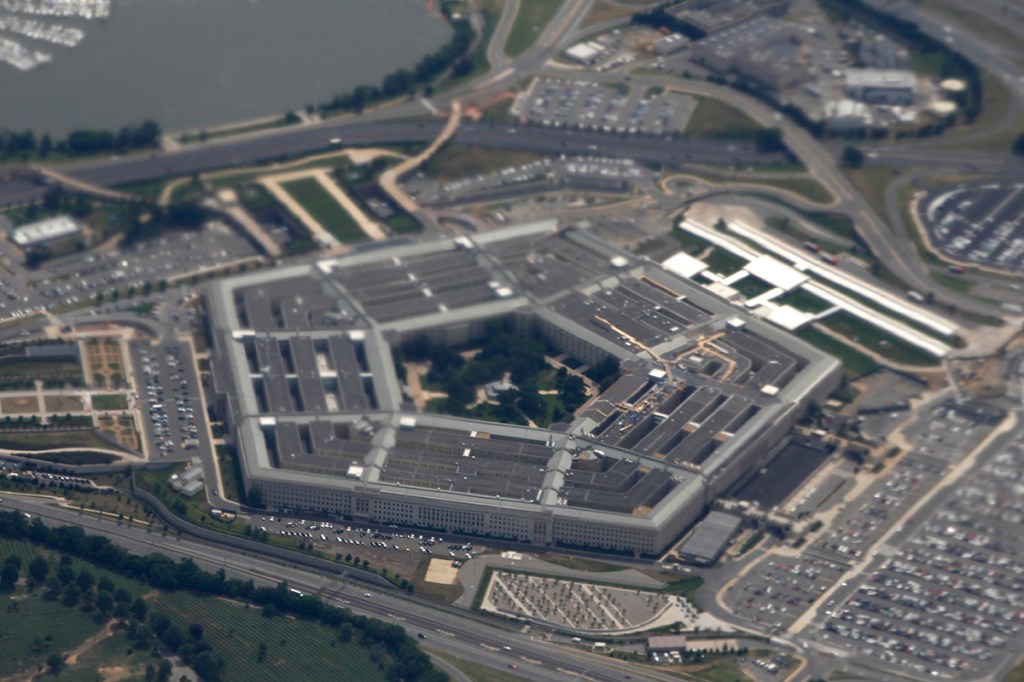
Obstacles and opportunities in the Pentagon’s software acquisition pathway
Can enterprise tools save the Pentagon’s ability to move fast on software?
-

Three high-impact reforms hitting feds in 2020
With recent changes in mind, it’s essential to consider how they might affect you — and, even more importantly, what adjustments you can and should make to keep your long-term financial plans on track.
-
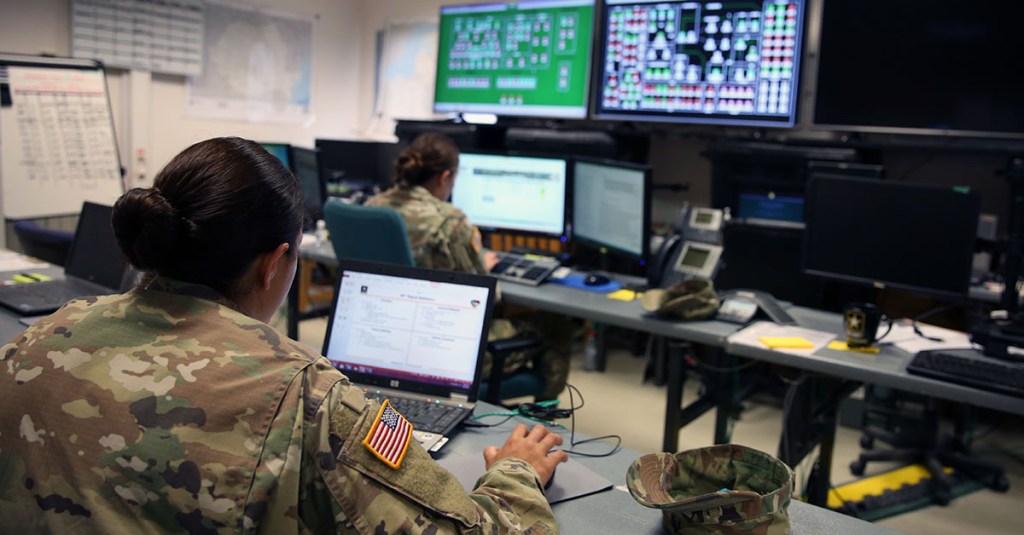
Cybersecurity AI is ready for prime time: why the skeptics are wrong
Government leaders need a stronger understanding of commercial offerings to better determine what artificial intelligence for cybersecurity is … and is not.
-

Defense Dept. facilities can become a climate-resilience test bed
DoD is turning its attention to climate, as mission-critical installations face numerous risks, and its facilities can be perfect sites to test advanced climate-security concepts.