-

Here’s how much money Congress gave to the modernization pot
After a brief funding scare in the Senate, Congress added to the Technology Modernization Fund’s pool of cash.
-

Here’s the verdict from Congress on the Pentagon’s enterprise cloud
Restrictions were addressed in the Department of Defense’s fiscal year 2020 appropriations bill.
-

Is using TikTok a national security risk?
The chairman of a national security subcommittee in the House of Representatives is worried that federal employees who use TikTok, Grindr and other mobile applications owned by foreign governments could be susceptible to blackmail or become national security vulnerabilities.
-

The government’s modernization fund has money problems
The General Services Administration-operated Technology Modernization Fund isn’t close to covering its operating costs.
-

How one agency approached its Windows 10 challenge
Strong leadership from the CIOs office was a key at this agency’s approach to upgrades.
-

Is the race for 5G a run or a crawl?
America’s entrepreneurial spirit — unless extinguished by continued expansion of the administrative state — will drive the creativity and ambition that are essential to technological leadership.
-

New bill gives this Homeland Security agency authority to get ISP info
Senators, however, say the authorities are “limited.”
-

Here are some early adopters of the controversial JEDI cloud
Department of Defense CIO Dana Deasy offered insight into which components want to move to the Pentagon’s enterprise cloud come February.
-

Agencies achieve historic results on new modernization scorecard
Agencies did better than ever before on the newly released FITARA 9.0 scorecard, but tension remains between the Office of Management and Budget and lawmakers on data centers.
-

Several election security provisions are in the massive defense bill
According to the National Defense Authorization Act, Congress is taking steps to learn more about future Russian cyberattacks and wants to ensure state officials have access to the top-level threat information.
-
Here’s how much money Congress gave to the modernization pot
After a brief funding scare in the Senate, Congress added to the Technology Modernization Fund’s pool of cash.
-
Here’s the verdict from Congress on the Pentagon’s enterprise cloud
Restrictions were addressed in the Department of Defense’s fiscal year 2020 appropriations bill.
-
Is using TikTok a national security risk?
The chairman of a national security subcommittee in the House of Representatives is worried that federal employees who use TikTok, Grindr and other mobile applications owned by foreign governments could be susceptible to blackmail or become national security vulnerabilities.
-
The government’s modernization fund has money problems
The General Services Administration-operated Technology Modernization Fund isn’t close to covering its operating costs.
-
How one agency approached its Windows 10 challenge
Strong leadership from the CIOs office was a key at this agency’s approach to upgrades.
-
Is the race for 5G a run or a crawl?
America’s entrepreneurial spirit — unless extinguished by continued expansion of the administrative state — will drive the creativity and ambition that are essential to technological leadership.
-
New bill gives this Homeland Security agency authority to get ISP info
Senators, however, say the authorities are “limited.”
-
Here are some early adopters of the controversial JEDI cloud
Department of Defense CIO Dana Deasy offered insight into which components want to move to the Pentagon’s enterprise cloud come February.
-
Agencies achieve historic results on new modernization scorecard
Agencies did better than ever before on the newly released FITARA 9.0 scorecard, but tension remains between the Office of Management and Budget and lawmakers on data centers.
-
Several election security provisions are in the massive defense bill
According to the National Defense Authorization Act, Congress is taking steps to learn more about future Russian cyberattacks and wants to ensure state officials have access to the top-level threat information.
-

Here’s how much money Congress gave to the modernization pot
After a brief funding scare in the Senate, Congress added to the Technology Modernization Fund’s pool of cash.
-

Here’s the verdict from Congress on the Pentagon’s enterprise cloud
Restrictions were addressed in the Department of Defense’s fiscal year 2020 appropriations bill.
-

Is using TikTok a national security risk?
The chairman of a national security subcommittee in the House of Representatives is worried that federal employees who use TikTok, Grindr and other mobile applications owned by foreign governments could be susceptible to blackmail or become national security vulnerabilities.
-

The government’s modernization fund has money problems
The General Services Administration-operated Technology Modernization Fund isn’t close to covering its operating costs.
-

How one agency approached its Windows 10 challenge
Strong leadership from the CIOs office was a key at this agency’s approach to upgrades.
-

Is the race for 5G a run or a crawl?
America’s entrepreneurial spirit — unless extinguished by continued expansion of the administrative state — will drive the creativity and ambition that are essential to technological leadership.
-

New bill gives this Homeland Security agency authority to get ISP info
Senators, however, say the authorities are “limited.”
-

Here are some early adopters of the controversial JEDI cloud
Department of Defense CIO Dana Deasy offered insight into which components want to move to the Pentagon’s enterprise cloud come February.
-

Agencies achieve historic results on new modernization scorecard
Agencies did better than ever before on the newly released FITARA 9.0 scorecard, but tension remains between the Office of Management and Budget and lawmakers on data centers.
-
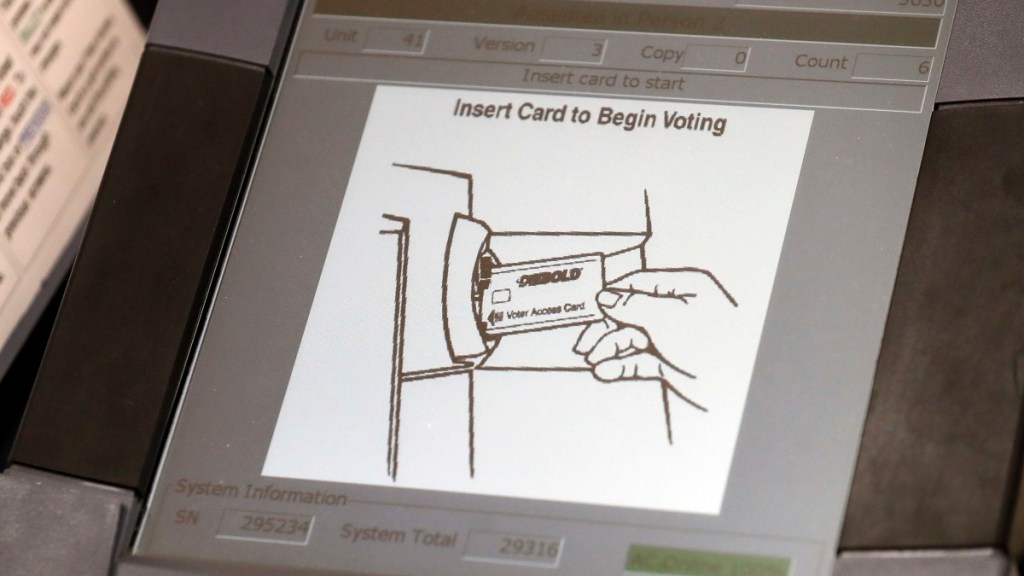
Several election security provisions are in the massive defense bill
According to the National Defense Authorization Act, Congress is taking steps to learn more about future Russian cyberattacks and wants to ensure state officials have access to the top-level threat information.