-

Congress sends Ukraine, Israel, Taiwan aid package to president’s desk
After months of delays, Congress passed a $95 billion package that includes funds to arm Ukraine, Israel and Taiwan.
-
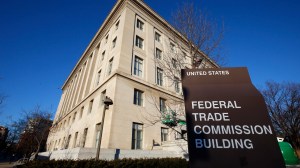
Federal Trade Commission bars ‘noncompete’ agreements for US employees
The rule, which doesn’t apply to workers at non-profits, is to take effect in four months unless it is blocked by legal challenges.
-
Ask Reg: When is it beneficial to waive my military retirement pay?
A reader with military and civilian service asks about when it makes sense to waive military retirement for computation of a federal pension.
-

When will AUKUS allies receive US export control exemptions?
The State Department just updated Congress on efforts to give AUKUS allies a broad export control exemption but stopped short of a certification to do so.
-

Starbucks takes on federal labor agency at US Supreme Court
If the high court sides with Starbucks, it could make it tougher for the agency to step in when it alleges corporate interference in unionization efforts.
-

Power through fiscal year-end budgeting with AI, workflow automation
To execute their second-half blitz, federal managers must pore through mountains of data across thousands of programs.
-
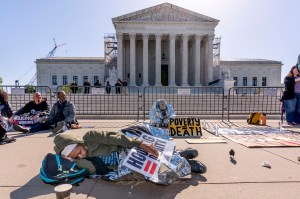
Vets advocates push Supreme Court to dump laws punishing homelessness
A case being considered by the Supreme Court could have far-reaching impact on efforts to help homeless veterans.
-
Ask Reg: How do I know if I should enroll in Medicare Part B?
Struggling to weight the cost of Part B premiums? Here’s what to consider.
-

How Unified Attack Surface Management future proofs fed cyberspace
The threat landscape has evolved far beyond the capability of traditional perimeter-based cyber defenses to contain.
-
Ask Reg: How does my Social Security income affect my pension?
How your Social Security and federal pension intersect.
-
Congress sends Ukraine, Israel, Taiwan aid package to president’s desk
After months of delays, Congress passed a $95 billion package that includes funds to arm Ukraine, Israel and Taiwan.
-
Federal Trade Commission bars ‘noncompete’ agreements for US employees
The rule, which doesn’t apply to workers at non-profits, is to take effect in four months unless it is blocked by legal challenges.
-
Ask Reg: When is it beneficial to waive my military retirement pay?
A reader with military and civilian service asks about when it makes sense to waive military retirement for computation of a federal pension.
-
When will AUKUS allies receive US export control exemptions?
The State Department just updated Congress on efforts to give AUKUS allies a broad export control exemption but stopped short of a certification to do so.
-
Starbucks takes on federal labor agency at US Supreme Court
If the high court sides with Starbucks, it could make it tougher for the agency to step in when it alleges corporate interference in unionization efforts.
-
Power through fiscal year-end budgeting with AI, workflow automation
To execute their second-half blitz, federal managers must pore through mountains of data across thousands of programs.
-
Vets advocates push Supreme Court to dump laws punishing homelessness
A case being considered by the Supreme Court could have far-reaching impact on efforts to help homeless veterans.
-
Ask Reg: How do I know if I should enroll in Medicare Part B?
Struggling to weight the cost of Part B premiums? Here’s what to consider.
-
How Unified Attack Surface Management future proofs fed cyberspace
The threat landscape has evolved far beyond the capability of traditional perimeter-based cyber defenses to contain.
-
Ask Reg: How does my Social Security income affect my pension?
How your Social Security and federal pension intersect.
-

Congress sends Ukraine, Israel, Taiwan aid package to president’s desk
After months of delays, Congress passed a $95 billion package that includes funds to arm Ukraine, Israel and Taiwan.
-
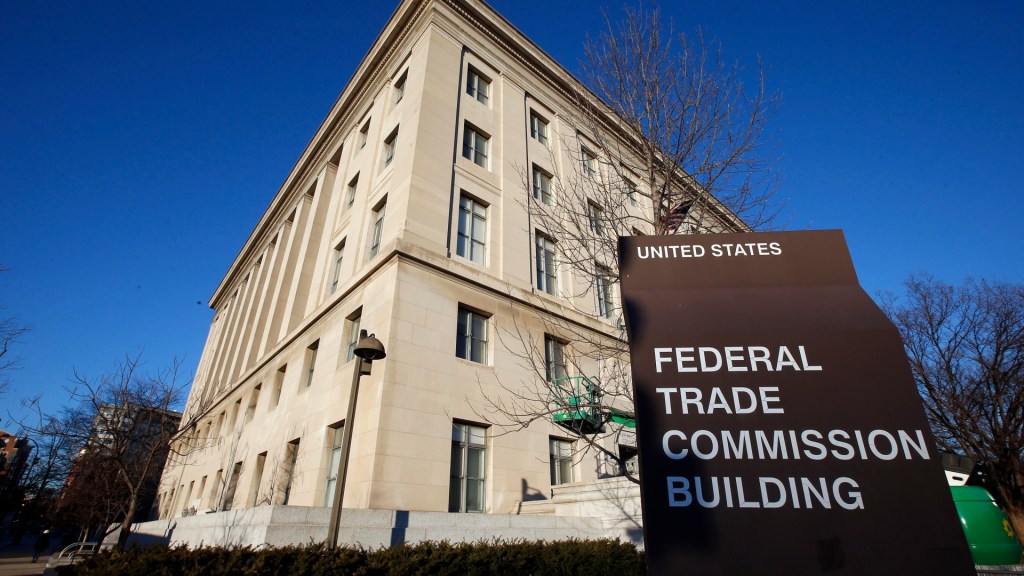
Federal Trade Commission bars ‘noncompete’ agreements for US employees
The rule, which doesn’t apply to workers at non-profits, is to take effect in four months unless it is blocked by legal challenges.
-

Ask Reg: When is it beneficial to waive my military retirement pay?
A reader with military and civilian service asks about when it makes sense to waive military retirement for computation of a federal pension.
-

When will AUKUS allies receive US export control exemptions?
The State Department just updated Congress on efforts to give AUKUS allies a broad export control exemption but stopped short of a certification to do so.
-

Starbucks takes on federal labor agency at US Supreme Court
If the high court sides with Starbucks, it could make it tougher for the agency to step in when it alleges corporate interference in unionization efforts.
-

Power through fiscal year-end budgeting with AI, workflow automation
To execute their second-half blitz, federal managers must pore through mountains of data across thousands of programs.
-
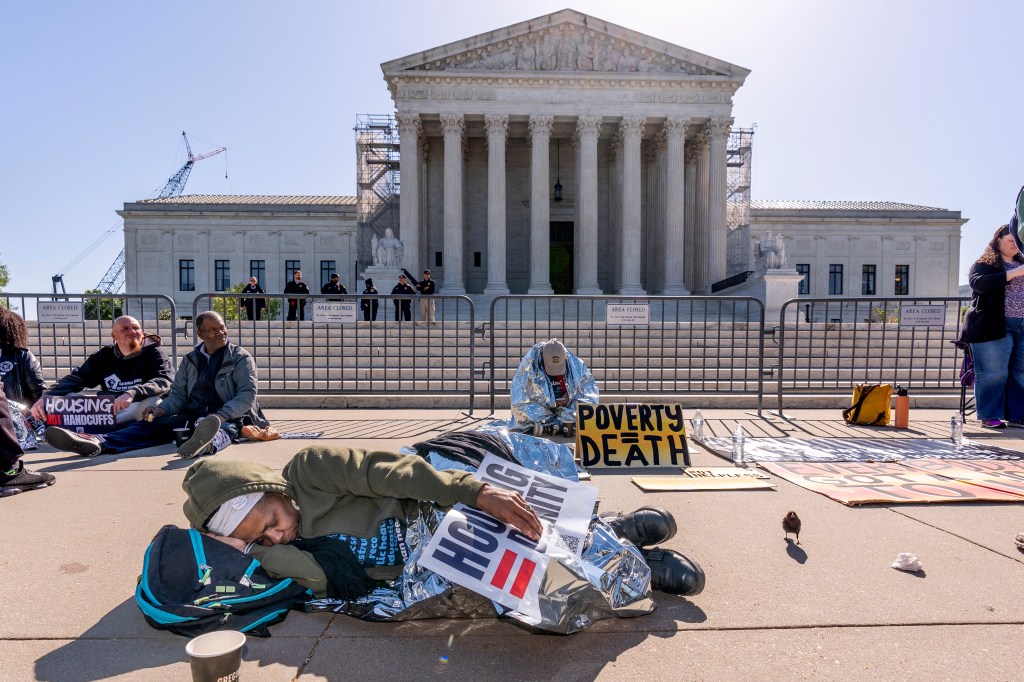
Vets advocates push Supreme Court to dump laws punishing homelessness
A case being considered by the Supreme Court could have far-reaching impact on efforts to help homeless veterans.
-
Ask Reg: How do I know if I should enroll in Medicare Part B?
Struggling to weight the cost of Part B premiums? Here’s what to consider.
-

How Unified Attack Surface Management future proofs fed cyberspace
The threat landscape has evolved far beyond the capability of traditional perimeter-based cyber defenses to contain.
-
Ask Reg: How does my Social Security income affect my pension?
How your Social Security and federal pension intersect.