-

IT workers at VA get 17% pay boost to narrow gap with private sector
A year in the making, the pay raise, which works out to an average $18,000, aims to help the agency recruit and retain.
-
Six steps to safeguarding government software amid rising threats
The recent global cyber-attack targeting MOVEit federal software serves as a vivid reminder of the potential consequences.
-
FBI needs new limits on use of foreign spy data, says advisory board
The White House board says FBI should stop using a database of foreigners’ emails and communications to investigate crimes other than national security.
-
A win, a miss and a path to stronger digital authentication
The NCSIP introduces a dedicated segment for policy reviews, ensuring an adaptive strategy that remains in sync with an evolving cybersecurity landscape.
-

Three ways a technological revolution will impact the intel community
A technological revolution is set to hit the intelligence community hard, and in three earth-shaking ways.
-

Google, Meta, other tech companies agree on Biden’s AI safeguards
The White House said Friday that it has secured voluntary commitments from seven U.S. companies meant to ensure their AI products are safe before release.
-

Building trust in a software-defined, AI-driven world
We live in a world that depends on software and Artificial Intelligence for virtually every aspect of our lives, a trend will which only continue.
-
White House unveils cybersecurity labeling program for smart devices
U.S. Cyber Trust Mark initiative to be overseen by the Federal Communications Commission, with voluntary industry participation.
-
A sensible approach to AI regulation
Humans will use AI as a co-pilot to make them more efficient in unwanted or criminal digital behavior, like cyberattacks or misinformation campaigns.
-

US government-linked email accounts hacked from China, Microsoft says
The Storm-0558 hackers used forged authentication tokens — pieces of information used to verify the identity of a user — required to access the accounts.
-
IT workers at VA get 17% pay boost to narrow gap with private sector
A year in the making, the pay raise, which works out to an average $18,000, aims to help the agency recruit and retain.
-
Six steps to safeguarding government software amid rising threats
The recent global cyber-attack targeting MOVEit federal software serves as a vivid reminder of the potential consequences.
-
FBI needs new limits on use of foreign spy data, says advisory board
The White House board says FBI should stop using a database of foreigners’ emails and communications to investigate crimes other than national security.
-
A win, a miss and a path to stronger digital authentication
The NCSIP introduces a dedicated segment for policy reviews, ensuring an adaptive strategy that remains in sync with an evolving cybersecurity landscape.
-
Three ways a technological revolution will impact the intel community
A technological revolution is set to hit the intelligence community hard, and in three earth-shaking ways.
-
Google, Meta, other tech companies agree on Biden’s AI safeguards
The White House said Friday that it has secured voluntary commitments from seven U.S. companies meant to ensure their AI products are safe before release.
-
Building trust in a software-defined, AI-driven world
We live in a world that depends on software and Artificial Intelligence for virtually every aspect of our lives, a trend will which only continue.
-
White House unveils cybersecurity labeling program for smart devices
U.S. Cyber Trust Mark initiative to be overseen by the Federal Communications Commission, with voluntary industry participation.
-
A sensible approach to AI regulation
Humans will use AI as a co-pilot to make them more efficient in unwanted or criminal digital behavior, like cyberattacks or misinformation campaigns.
-
US government-linked email accounts hacked from China, Microsoft says
The Storm-0558 hackers used forged authentication tokens — pieces of information used to verify the identity of a user — required to access the accounts.
-

IT workers at VA get 17% pay boost to narrow gap with private sector
A year in the making, the pay raise, which works out to an average $18,000, aims to help the agency recruit and retain.
-
Six steps to safeguarding government software amid rising threats
The recent global cyber-attack targeting MOVEit federal software serves as a vivid reminder of the potential consequences.
-
FBI needs new limits on use of foreign spy data, says advisory board
The White House board says FBI should stop using a database of foreigners’ emails and communications to investigate crimes other than national security.
-
A win, a miss and a path to stronger digital authentication
The NCSIP introduces a dedicated segment for policy reviews, ensuring an adaptive strategy that remains in sync with an evolving cybersecurity landscape.
-

Three ways a technological revolution will impact the intel community
A technological revolution is set to hit the intelligence community hard, and in three earth-shaking ways.
-
Google, Meta, other tech companies agree on Biden’s AI safeguards
The White House said Friday that it has secured voluntary commitments from seven U.S. companies meant to ensure their AI products are safe before release.
-
Building trust in a software-defined, AI-driven world
We live in a world that depends on software and Artificial Intelligence for virtually every aspect of our lives, a trend will which only continue.
-
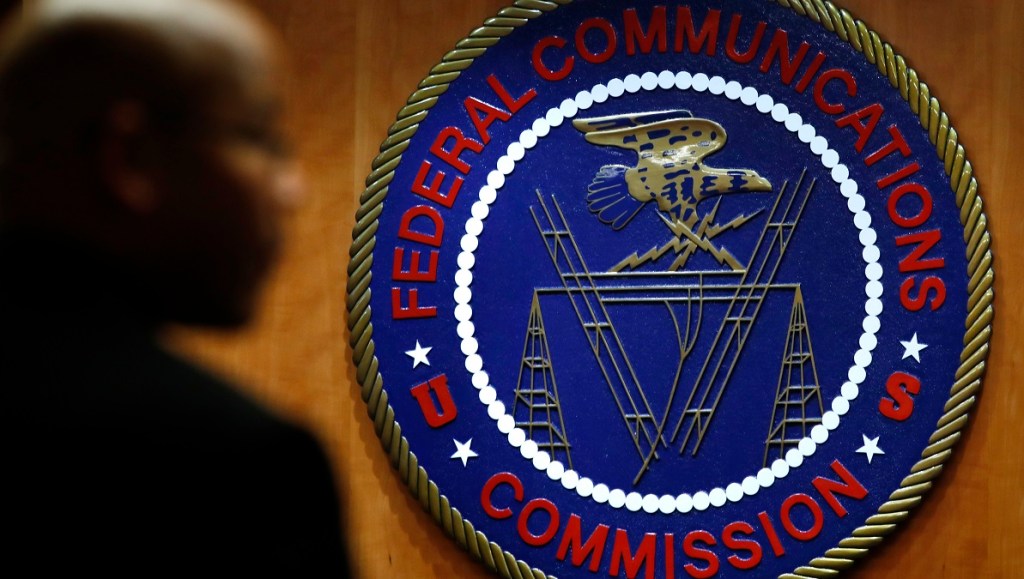
White House unveils cybersecurity labeling program for smart devices
U.S. Cyber Trust Mark initiative to be overseen by the Federal Communications Commission, with voluntary industry participation.
-
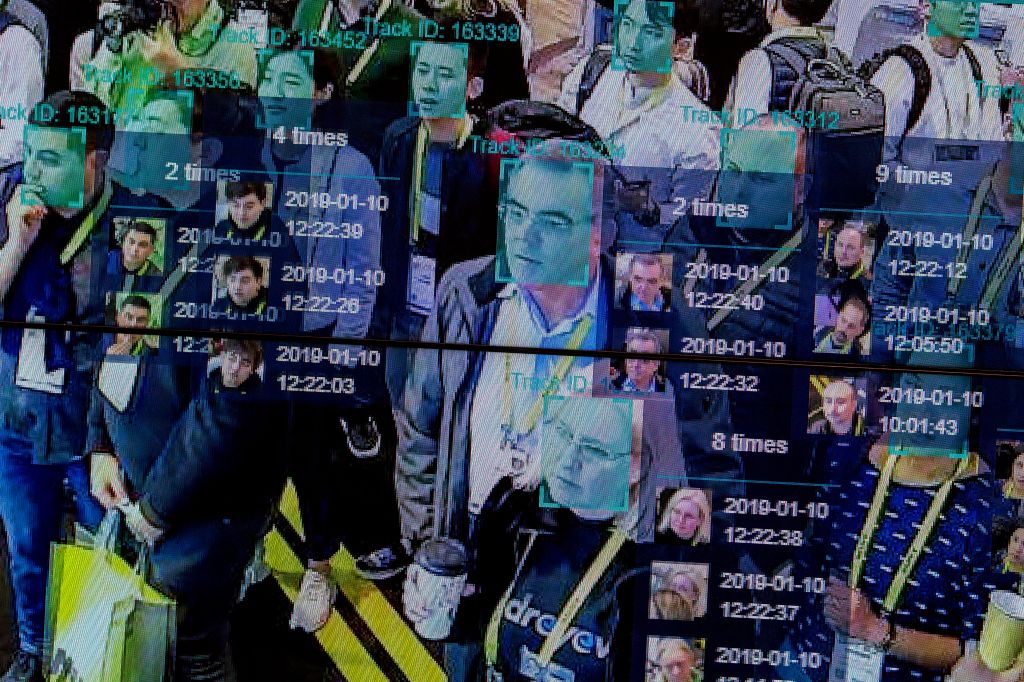
A sensible approach to AI regulation
Humans will use AI as a co-pilot to make them more efficient in unwanted or criminal digital behavior, like cyberattacks or misinformation campaigns.
-
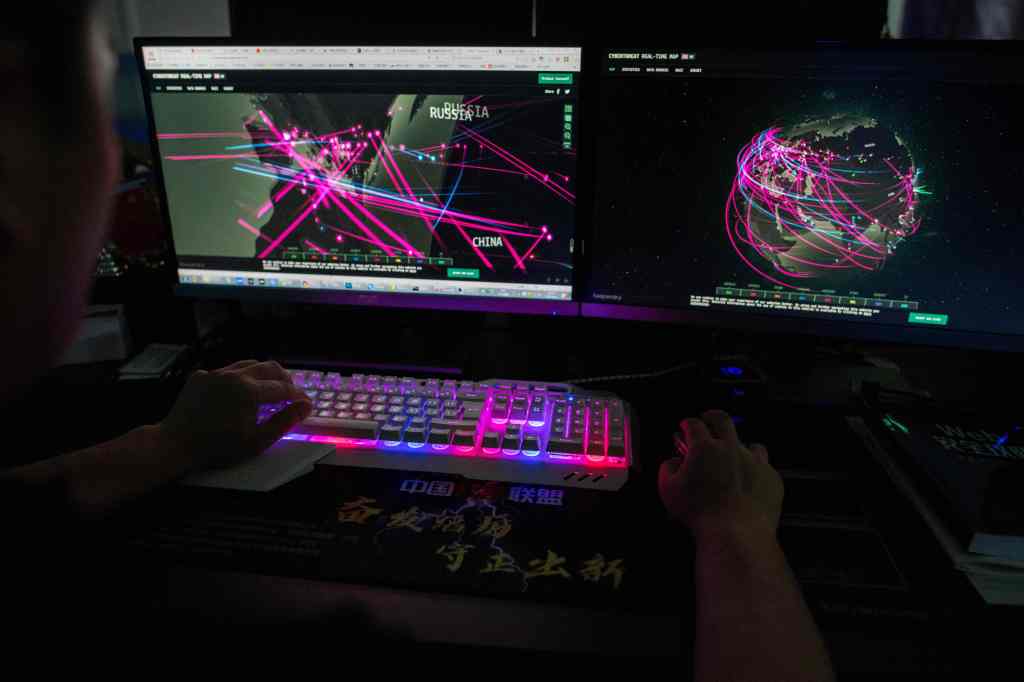
US government-linked email accounts hacked from China, Microsoft says
The Storm-0558 hackers used forged authentication tokens — pieces of information used to verify the identity of a user — required to access the accounts.