-
Pentagon makes progress on Zero Trust, but next steps will be critical
Not everyone has the in-house expertise or technology that DISA does, but everyone has the capabilities to pick a place to start and make progress.
-

Democrats and Republicans see role for government in development of AI
The U.S. has a long tradition of government-led technology, including the Internet, GPS and mapping the human genome.
-
A roadmap for federal CIOs in automating security assessments
There’s no room for sluggish manual processes that fail to provide real-time visibility, the author argues.
-

The difference between Santa’s delivery system and USPS
As the USPS navigates the challenges of holiday season deliveries, AI can revolutionize the way it addresses them.
-

How to build effective human-AI teams in the hybrid workplace
This transformational technology presents a massive opportunity for federal agencies.
-

AUKUS can work without gutting US export control laws
The AUKUS-versus-ITAR debate is a false dilemma created by industry and some in Congress, argue analysts Paul Esau and Valerie Lincy.
-
AI can shore up federal cybersecurity overwhelmed by data, GDIT says
Machines and programs can handle rote tasks, freeing up manpower already spread thin and sought after.
-
How federal agencies can curb ‘Shadow IT’ use by employees
The use of devices, applications and services outside the control of an organization’s IT security environment is on the rise.
-

The challenge of adding governance as a pillar of cybersecurity
The new framework expands past critical infrastructure and reflects a structure for all organizations, no matter size, industry or region.
-
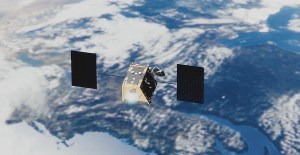
The case for LEO satellite connectivity in $50 billion EIS contract
The contracting vehicle is designed to enable federal agencies to procure mission-critical telecommunications, infrastructure and technology services.
-
Pentagon makes progress on Zero Trust, but next steps will be critical
Not everyone has the in-house expertise or technology that DISA does, but everyone has the capabilities to pick a place to start and make progress.
-
Democrats and Republicans see role for government in development of AI
The U.S. has a long tradition of government-led technology, including the Internet, GPS and mapping the human genome.
-
A roadmap for federal CIOs in automating security assessments
There’s no room for sluggish manual processes that fail to provide real-time visibility, the author argues.
-
The difference between Santa’s delivery system and USPS
As the USPS navigates the challenges of holiday season deliveries, AI can revolutionize the way it addresses them.
-
How to build effective human-AI teams in the hybrid workplace
This transformational technology presents a massive opportunity for federal agencies.
-
AUKUS can work without gutting US export control laws
The AUKUS-versus-ITAR debate is a false dilemma created by industry and some in Congress, argue analysts Paul Esau and Valerie Lincy.
-
AI can shore up federal cybersecurity overwhelmed by data, GDIT says
Machines and programs can handle rote tasks, freeing up manpower already spread thin and sought after.
-
How federal agencies can curb ‘Shadow IT’ use by employees
The use of devices, applications and services outside the control of an organization’s IT security environment is on the rise.
-
The challenge of adding governance as a pillar of cybersecurity
The new framework expands past critical infrastructure and reflects a structure for all organizations, no matter size, industry or region.
-
The case for LEO satellite connectivity in $50 billion EIS contract
The contracting vehicle is designed to enable federal agencies to procure mission-critical telecommunications, infrastructure and technology services.
-

Pentagon makes progress on Zero Trust, but next steps will be critical
Not everyone has the in-house expertise or technology that DISA does, but everyone has the capabilities to pick a place to start and make progress.
-

Democrats and Republicans see role for government in development of AI
The U.S. has a long tradition of government-led technology, including the Internet, GPS and mapping the human genome.
-
A roadmap for federal CIOs in automating security assessments
There’s no room for sluggish manual processes that fail to provide real-time visibility, the author argues.
-

The difference between Santa’s delivery system and USPS
As the USPS navigates the challenges of holiday season deliveries, AI can revolutionize the way it addresses them.
-
How to build effective human-AI teams in the hybrid workplace
This transformational technology presents a massive opportunity for federal agencies.
-

AUKUS can work without gutting US export control laws
The AUKUS-versus-ITAR debate is a false dilemma created by industry and some in Congress, argue analysts Paul Esau and Valerie Lincy.
-
AI can shore up federal cybersecurity overwhelmed by data, GDIT says
Machines and programs can handle rote tasks, freeing up manpower already spread thin and sought after.
-
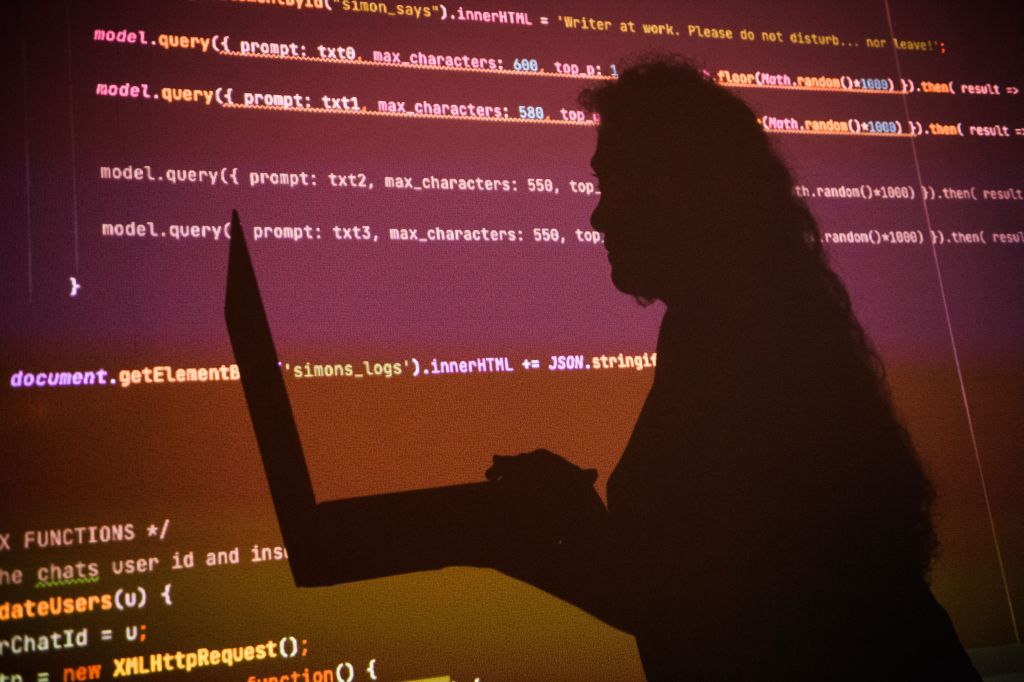
How federal agencies can curb ‘Shadow IT’ use by employees
The use of devices, applications and services outside the control of an organization’s IT security environment is on the rise.
-

The challenge of adding governance as a pillar of cybersecurity
The new framework expands past critical infrastructure and reflects a structure for all organizations, no matter size, industry or region.
-

The case for LEO satellite connectivity in $50 billion EIS contract
The contracting vehicle is designed to enable federal agencies to procure mission-critical telecommunications, infrastructure and technology services.