-
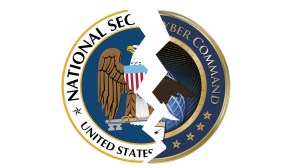
What would a CYBERCOM-NSA split mean?
In this four-part series, C4ISRNET explores the underlying issues surrounding the potential split of the NSA and Cyber Command. In Part I: If such a separation occurs, what would this mean in practical terms?
-

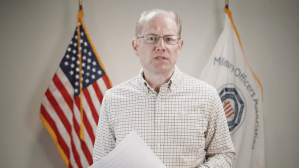
Does best intel come from public or private sector?
When it comes to threat intelligence, some believe the best intelligence comes from the private sector, which has been targeted by many nation-states seeking to gain a competitive economic edge.
-
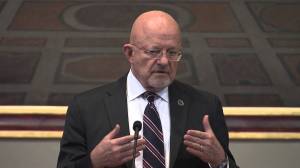
Clapper: Technology helps, harms national security
Technological advancements can lead to positive change but also create vulnerabilities, he said.
-
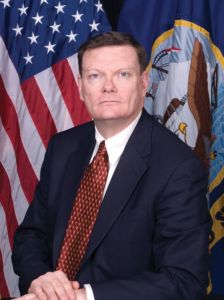
Halvorsen: Cybersecurity must be a risk assessment in context of mission
DoD CIO Terry Halvorsen said Aug. 1 that cybersecurity must be viewed from a risk assessment standpoint
-
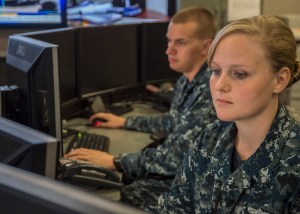
CYBERCOM wants adversary to know it’s hacked
The Executive Director of Cyber Command told a gathering that they are looking for cyber tools that could be easily attributed to the U.S. military.
-
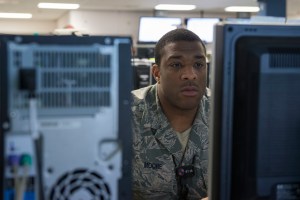
Air Force awards contract for deceptive cyber research
The Air Force awarded a contract for research in deceptive cyber to be used toward network defense.
-
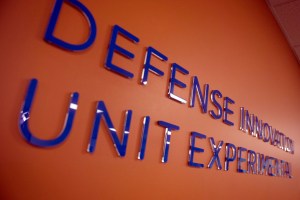
Carter christens DIUx Boston
Secretary Carter opened a new Defense Innovation Unit-Experimental in Boston.
-
What would a CYBERCOM-NSA split mean?
In this four-part series, C4ISRNET explores the underlying issues surrounding the potential split of the NSA and Cyber Command. In Part I: If such a separation occurs, what would this mean in practical terms?
-
Does best intel come from public or private sector?
When it comes to threat intelligence, some believe the best intelligence comes from the private sector, which has been targeted by many nation-states seeking to gain a competitive economic edge.
-
Clapper: Technology helps, harms national security
Technological advancements can lead to positive change but also create vulnerabilities, he said.
-
Halvorsen: Cybersecurity must be a risk assessment in context of mission
DoD CIO Terry Halvorsen said Aug. 1 that cybersecurity must be viewed from a risk assessment standpoint
-
CYBERCOM wants adversary to know it’s hacked
The Executive Director of Cyber Command told a gathering that they are looking for cyber tools that could be easily attributed to the U.S. military.
-
Air Force awards contract for deceptive cyber research
The Air Force awarded a contract for research in deceptive cyber to be used toward network defense.
-
Carter christens DIUx Boston
Secretary Carter opened a new Defense Innovation Unit-Experimental in Boston.
-
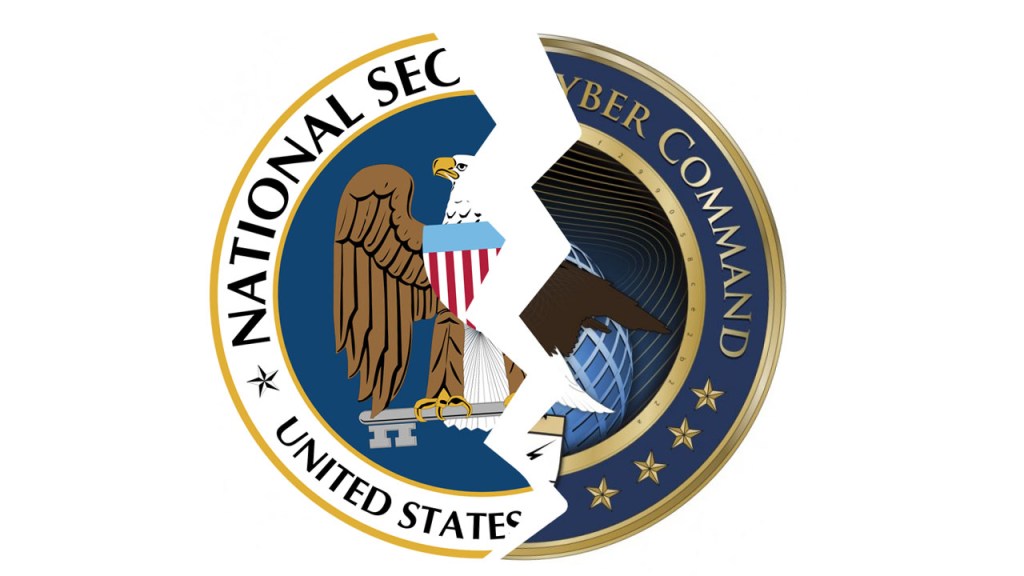
What would a CYBERCOM-NSA split mean?
In this four-part series, C4ISRNET explores the underlying issues surrounding the potential split of the NSA and Cyber Command. In Part I: If such a separation occurs, what would this mean in practical terms?
-

Does best intel come from public or private sector?
When it comes to threat intelligence, some believe the best intelligence comes from the private sector, which has been targeted by many nation-states seeking to gain a competitive economic edge.
-
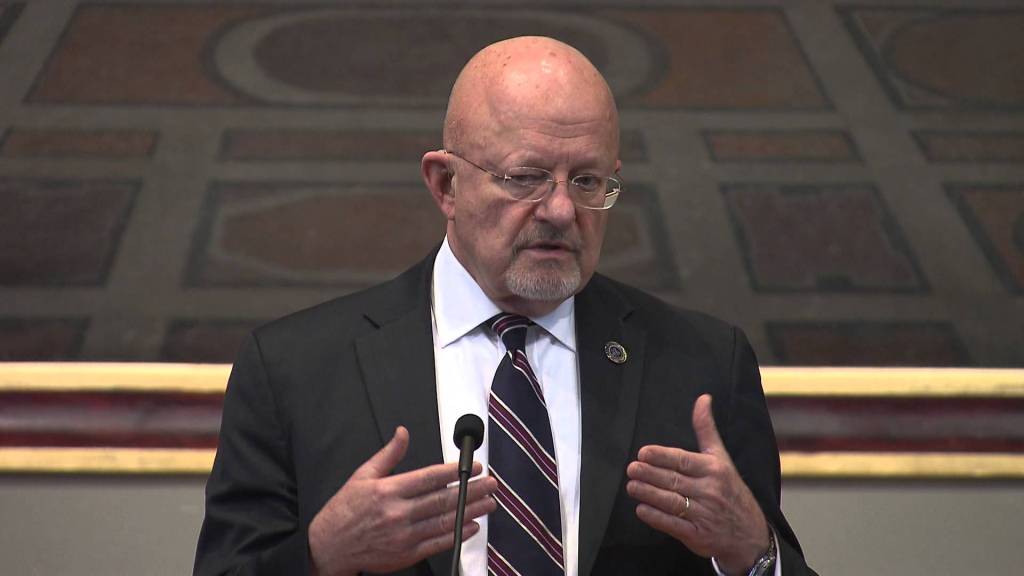
Clapper: Technology helps, harms national security
Technological advancements can lead to positive change but also create vulnerabilities, he said.
-

Halvorsen: Cybersecurity must be a risk assessment in context of mission
DoD CIO Terry Halvorsen said Aug. 1 that cybersecurity must be viewed from a risk assessment standpoint
-
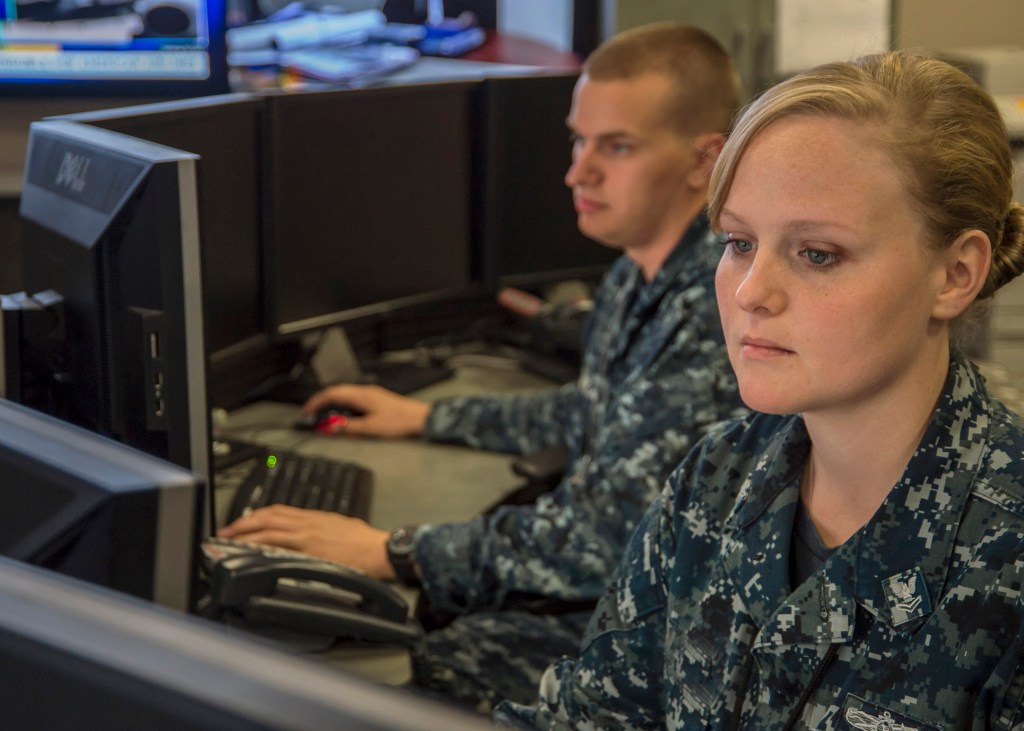
CYBERCOM wants adversary to know it’s hacked
The Executive Director of Cyber Command told a gathering that they are looking for cyber tools that could be easily attributed to the U.S. military.
-

Air Force awards contract for deceptive cyber research
The Air Force awarded a contract for research in deceptive cyber to be used toward network defense.
-
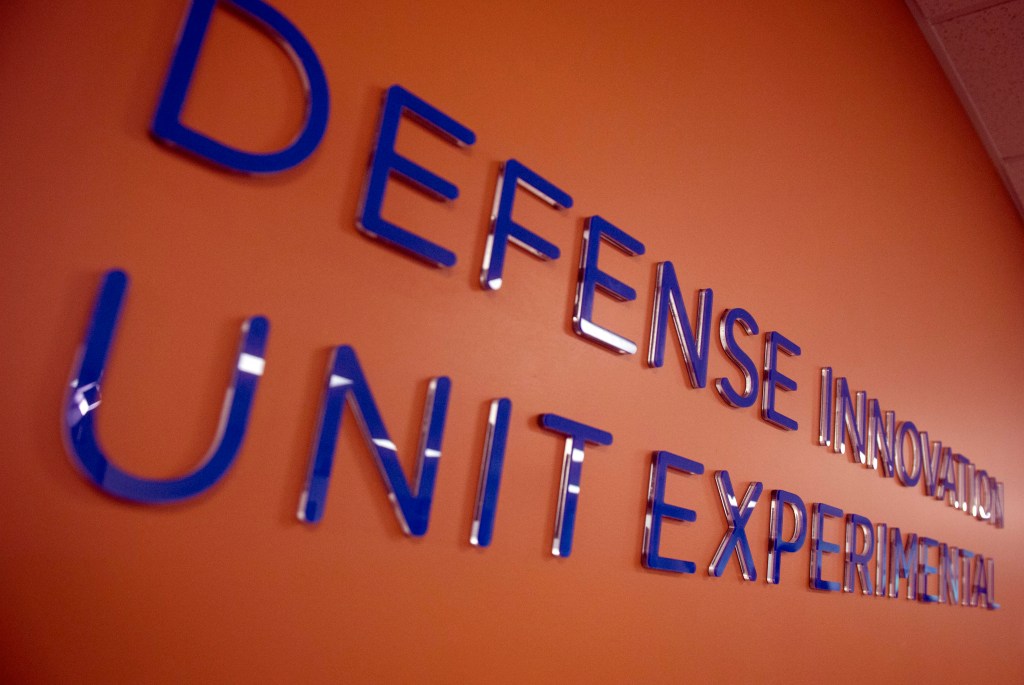
Carter christens DIUx Boston
Secretary Carter opened a new Defense Innovation Unit-Experimental in Boston.