-
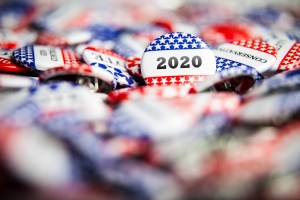
Here’s what DHS learned from the Super Tuesday vote
Senior officials from the Department of Homeland Security’s cyber agency shared lessons learned during primary voting as the agency prepares to help state and local officials with election security in the run-up to November.
-

At least two presidential campaigns aren’t using two-factor authentication
At least two presidential campaigns are not using two-factor authentication, according to Maine Sen. Angus King, because the campaigns consider the technology too unwieldy.
-

Here is the new partner for GSA’s Centers of Excellence
The General Services Administration’s innovation initiative now has seven agency partners.
-

Former NATO chief has 3 tips to secure 2020 election
Adm. James Stavridis has suggestions for the public and politicians.
-
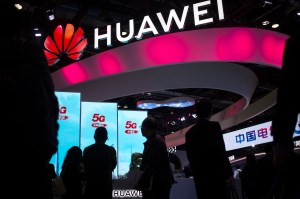
China’s 5G tech is a national security issue … or is it a trade one?
How the Trump administration has approached banning Huawei’s technology for 5G networks has raised a question at the annual RSA Conference: Is the decision rooted in national security issues or trade issues?
-

What’s next for nation-state collaboration in cyberspace?
Recent events have demonstrated the progress like-minded nations have made in establishing norms of responsible behavior in cyberspace, but there is more to address.
-
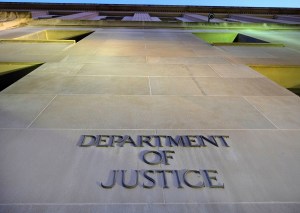
How private companies help the FBI identify more cybercriminals
There are actions that can contribute to indictments.
-

How the executive branch shaped the Cyber Solarium Commission
Members of the commission preparing to release cyber policy recommendations explained why executive branch participation was important.
-
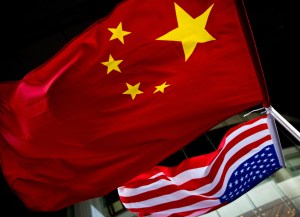
How China poses an insider threat
Officials warned that China’s intellectual property theft includes using company insiders, not just cyberattacks.
-

What hinders cybersecurity in the public sector?
Budgetary constraints and complex IT environments hurt public-sector organizations’ cybersecurity efforts.
-
Here’s what DHS learned from the Super Tuesday vote
Senior officials from the Department of Homeland Security’s cyber agency shared lessons learned during primary voting as the agency prepares to help state and local officials with election security in the run-up to November.
-
At least two presidential campaigns aren’t using two-factor authentication
At least two presidential campaigns are not using two-factor authentication, according to Maine Sen. Angus King, because the campaigns consider the technology too unwieldy.
-
Here is the new partner for GSA’s Centers of Excellence
The General Services Administration’s innovation initiative now has seven agency partners.
-
Former NATO chief has 3 tips to secure 2020 election
Adm. James Stavridis has suggestions for the public and politicians.
-
China’s 5G tech is a national security issue … or is it a trade one?
How the Trump administration has approached banning Huawei’s technology for 5G networks has raised a question at the annual RSA Conference: Is the decision rooted in national security issues or trade issues?
-
What’s next for nation-state collaboration in cyberspace?
Recent events have demonstrated the progress like-minded nations have made in establishing norms of responsible behavior in cyberspace, but there is more to address.
-
How private companies help the FBI identify more cybercriminals
There are actions that can contribute to indictments.
-
How the executive branch shaped the Cyber Solarium Commission
Members of the commission preparing to release cyber policy recommendations explained why executive branch participation was important.
-
How China poses an insider threat
Officials warned that China’s intellectual property theft includes using company insiders, not just cyberattacks.
-
What hinders cybersecurity in the public sector?
Budgetary constraints and complex IT environments hurt public-sector organizations’ cybersecurity efforts.
-
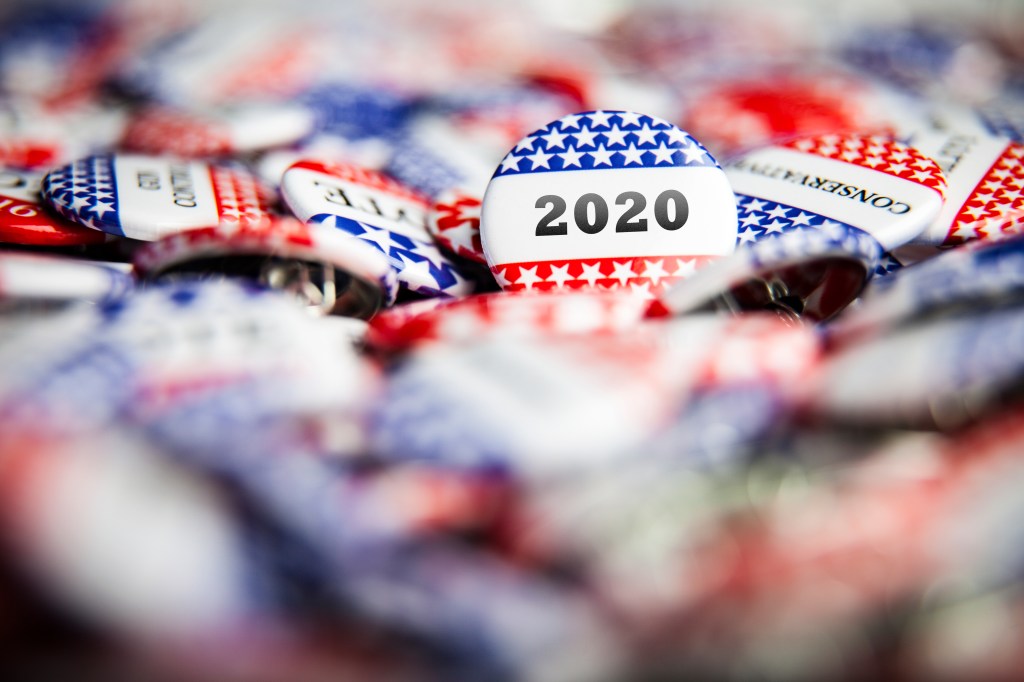
Here’s what DHS learned from the Super Tuesday vote
Senior officials from the Department of Homeland Security’s cyber agency shared lessons learned during primary voting as the agency prepares to help state and local officials with election security in the run-up to November.
-

At least two presidential campaigns aren’t using two-factor authentication
At least two presidential campaigns are not using two-factor authentication, according to Maine Sen. Angus King, because the campaigns consider the technology too unwieldy.
-

Here is the new partner for GSA’s Centers of Excellence
The General Services Administration’s innovation initiative now has seven agency partners.
-

Former NATO chief has 3 tips to secure 2020 election
Adm. James Stavridis has suggestions for the public and politicians.
-
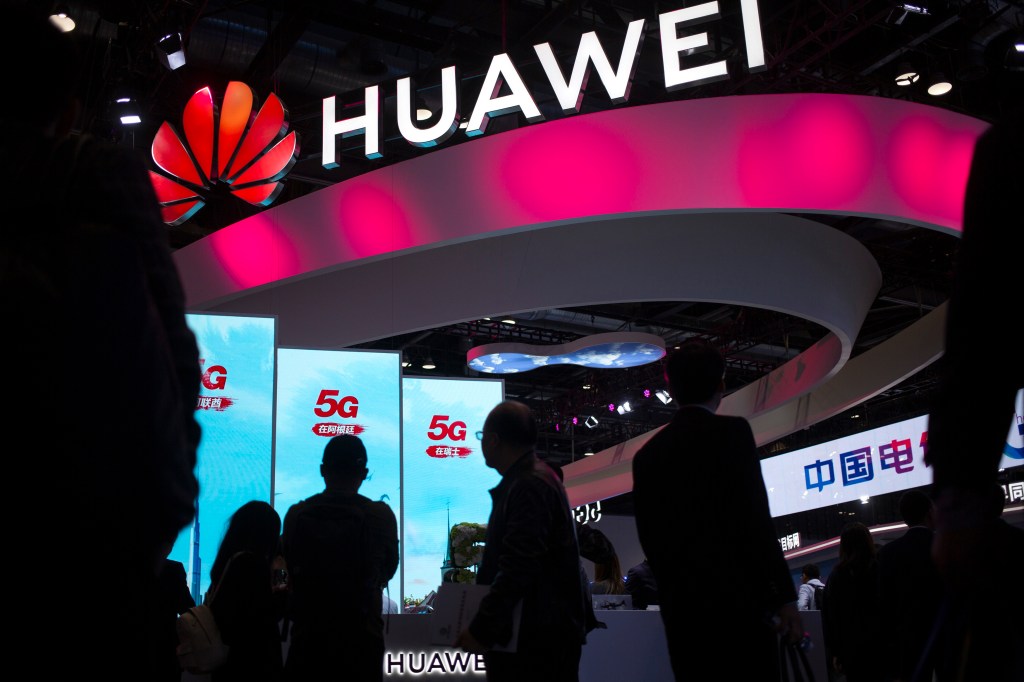
China’s 5G tech is a national security issue … or is it a trade one?
How the Trump administration has approached banning Huawei’s technology for 5G networks has raised a question at the annual RSA Conference: Is the decision rooted in national security issues or trade issues?
-

What’s next for nation-state collaboration in cyberspace?
Recent events have demonstrated the progress like-minded nations have made in establishing norms of responsible behavior in cyberspace, but there is more to address.
-
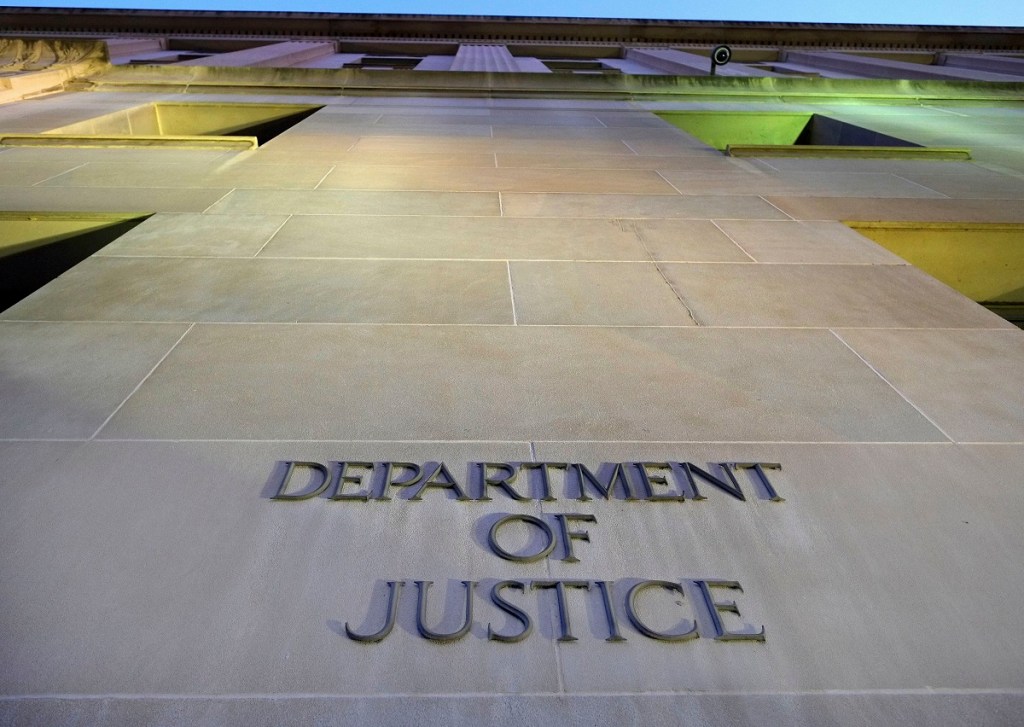
How private companies help the FBI identify more cybercriminals
There are actions that can contribute to indictments.
-

How the executive branch shaped the Cyber Solarium Commission
Members of the commission preparing to release cyber policy recommendations explained why executive branch participation was important.
-
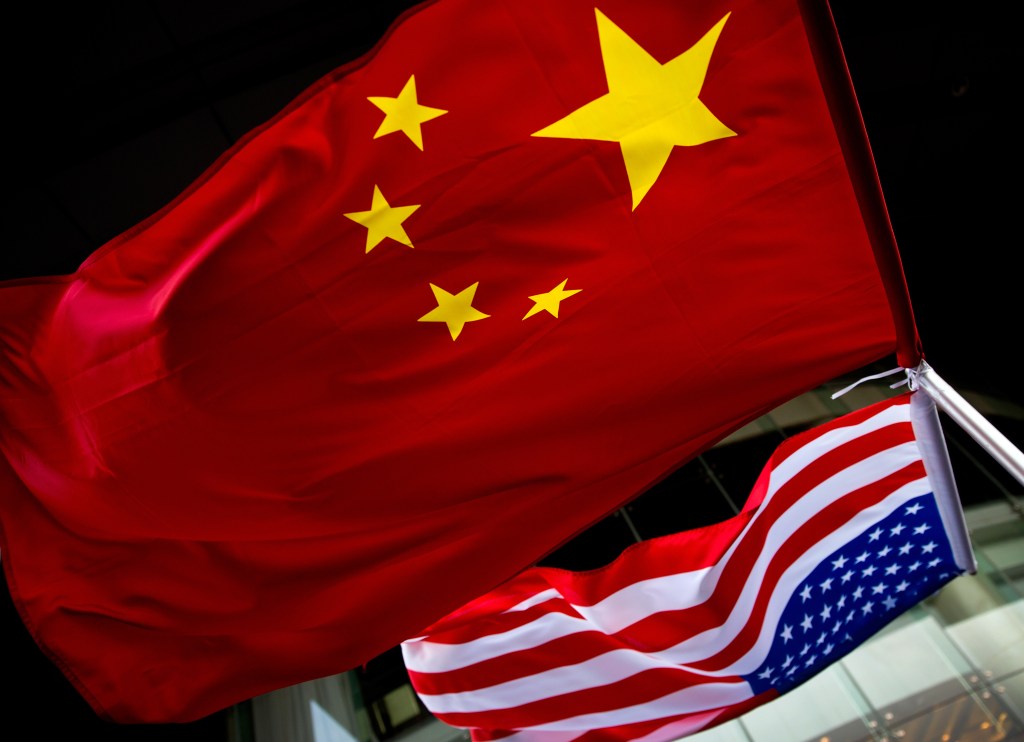
How China poses an insider threat
Officials warned that China’s intellectual property theft includes using company insiders, not just cyberattacks.
-

What hinders cybersecurity in the public sector?
Budgetary constraints and complex IT environments hurt public-sector organizations’ cybersecurity efforts.